
Choose innovation or risk irrelevance in AI era, expert tells Nigerian youths
 Digitnomics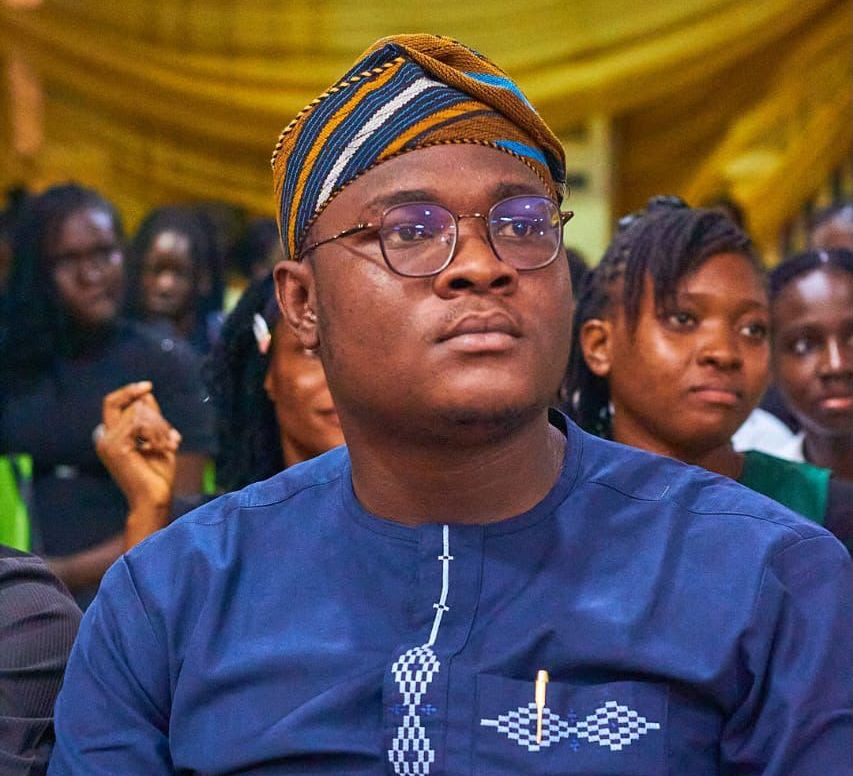
By Francisca Anuforo
As artificial intelligence (AI) continues to redefine industries and the future of work, Nigerian students and young professionals have been urged to embrace innovation or risk being left behind in an increasingly technology-driven world.
The call was made by the Chief Digital Officer of The Encrypse Limited, Desmond Nnebue, during his keynote address at the AI Summit held at Anchor University, Lagos, where he challenged participants to become creators of AI-powered solutions rather than mere consumers of technology.
According to Nnebue, every major technological revolution has been shaped by people who were willing to act before the rest of the world caught up.
“In every wave of technology, a small group moves first, the majority follows later, while another group resists until change becomes unavoidable. Innovators are not always the smartest people in the room; they are those willing to act before everyone else is comfortable,” he said.
He described AI as one of the most disruptive technologies of this generation, capable of solving complex problems faster, improving productivity and creating entirely new economic opportunities.
Rather than viewing AI as a threat, Nnebue urged young Nigerians to identify real-world problems within their fields of study and leverage AI to develop practical solutions.
“Every department in this room has a friction point AI can be pointed at. Spotting the problem comes first. Coding comes later, if at all,” he noted.
He stressed that innovation is not reserved for software developers or engineers, explaining that students from medicine, law, agriculture, business, education and the humanities can all apply AI to improve existing systems and create value.
The digital transformation expert warned that delaying AI adoption while waiting for complete certainty could leave individuals at a competitive disadvantage, as early adopters are more likely to shape the future than those who hesitate.
Drawing from his own career progression from software engineering to digital transformation leadership, Nnebue said professional success increasingly depends on continuous learning, adaptability and the willingness to embrace change.
Addressing growing concerns about AI-driven job displacement, he argued that the technology would create more opportunities than it eliminates, provided people acquire the skills needed for the emerging digital economy.
“AI is not here to take your job. It’s here to create jobs that don’t exist yet. The only question is whether you’ll be ready when they open,” he said.
He concluded by encouraging students to make a conscious decision to become innovators today, noting that the future will favour those who embrace technology, solve meaningful problems and continually reinvent themselves.
The keynote aligns with the growing global emphasis on AI literacy and innovation, as governments, businesses and educational institutions increasingly invest in preparing young people for an AI-powered economy where adaptability and problem-solving will be among the most valuable skills.

 Chinenye Anuforo