 Digitnomics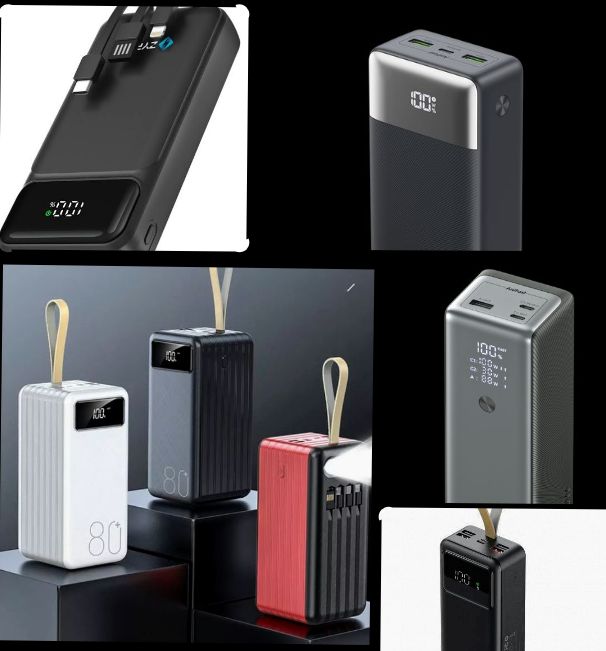
By Nonye Ngoka
Power banks have become essential accessories for many smartphone users, especially in countries where power outages are common. They provide a convenient backup source of electricity, helping users keep their phones, tablets and even laptops running when wall sockets are unavailable.
However, technology experts say power banks are designed as emergency backup devices—not as replacements for regular chargers. Using one as your primary charging solution could come with several downsides.
- Charging is often slower
While many modern smartphones support fast charging, not every power bank can deliver those speeds.
Today’s flagship smartphones can charge at 45W, 65W or even above 100W when paired with compatible wall chargers. In comparison, many entry-level power banks provide between 18W and 22.5W, meaning it takes considerably longer to recharge a device.
Although premium models from brands such as Anker, UGREEN and others now support USB Power Delivery and faster charging technologies, many affordable models still lag behind.
For users who need a quick battery top-up before leaving home, a wall charger remains the faster option.
- Power banks wear out over time
Like smartphone batteries, power banks use lithium-ion or lithium-polymer cells that gradually lose their ability to hold a charge.
Every complete discharge and recharge counts as one charging cycle. Most manufacturers rate power banks to last roughly 300 to 500 charging cycles, after which battery performance begins to decline.
As the battery ages, users may notice shorter backup times and reduced charging efficiency.
Another misconception is that the advertised battery capacity equals the amount of usable power. For example, a 10,000mAh power bank is unlikely to fully charge a 5,000mAh smartphone twice because some energy is lost during the charging process.
- Older or poor-quality power banks can pose safety risks
Damaged or ageing lithium-ion batteries can become unstable.
If a power bank begins to swell, overheat, leak or emit an unusual chemical smell, experts advise discontinuing its use immediately.
Using low-quality or counterfeit power banks can also expose smartphones to unstable voltage, potentially affecting battery health over time.
Heat is another major concern. Leaving a power bank inside a parked vehicle or under direct sunlight can accelerate battery degradation and, in extreme cases, increase the risk of fire.
Because of these risks, airlines around the world impose strict rules on carrying power banks, requiring passengers to keep them in carry-on luggage rather than checked baggage.
Use them wisely
Power banks remain one of the most useful mobile accessories, particularly for travellers, remote workers and anyone who spends long hours away from reliable electricity.
However, experts recommend treating them as backup power sources rather than everyday chargers. Whenever a wall outlet is available, charging directly with a certified charger is generally faster, more energy-efficient and better for the long-term health of both your phone and your power bank.
Choosing reputable brands, avoiding excessive heat and replacing ageing or damaged units can also help ensure safe and reliable performance.