Beyond Bank Transfers: How Tokenisation Could Transform Digital Payments in Nigeria
 Digitnomics
By Francisca Anuforo
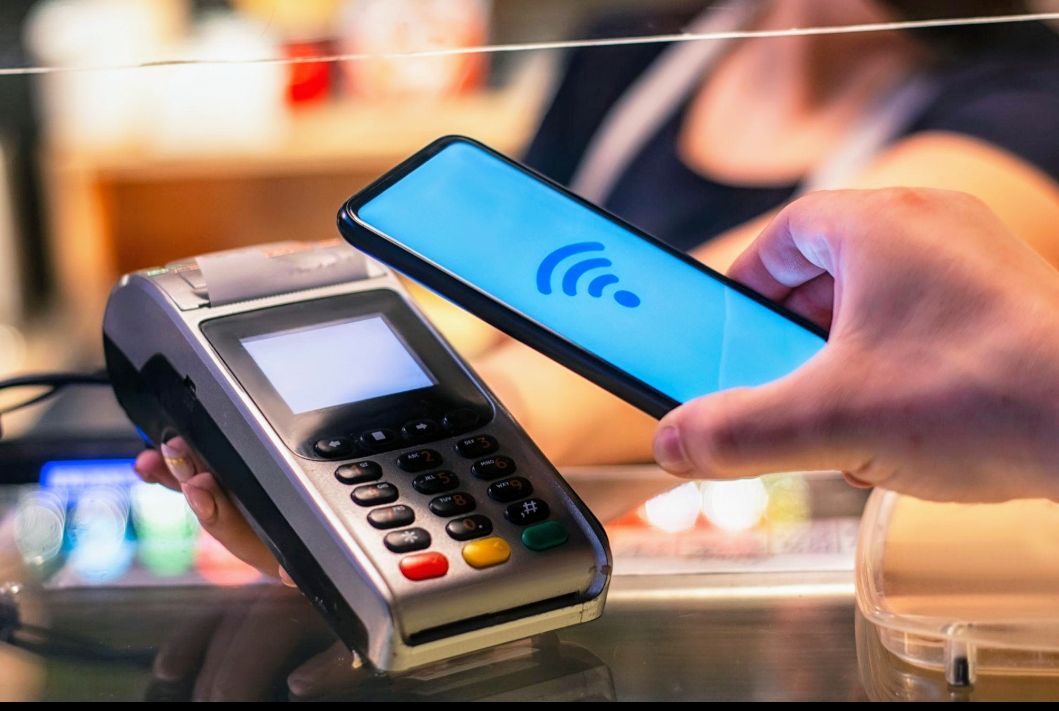
For millions of Nigerians, paying for goods and services increasingly involves opening a banking application, requesting an account number, initiating a transfer and waiting for confirmation. But a new payment technology being advanced by Interswitch Group and its banking partners could change that experience, allowing customers to pay by simply tapping compatible smartphones and other devices on payment terminals.
The technology, known as payment tokenisation, is designed to replace sensitive card details with digital tokens, reducing the exposure of original payment credentials while enabling new ways to make electronic payments.
At the premiere of Interswitch’s tokenisation documentary in Lagos on Friday, October 23, the company and its banking partners outlined how the technology could reshape Nigeria’s digital payments landscape, from retail transactions to payments through connected devices.
The initiative reflects a broader shift in the financial technology industry towards making digital payments more convenient, secure and adaptable to the devices consumers increasingly use.
Managing Director of Payments, Switching and Processing at Interswitch, Akeem Lawal, described tokenisation as another potentially transformative development in Nigeria’s payments industry, comparable to the introduction of interoperable automated teller machines (ATMs), card payments and online transactions.
He recalled that before interoperable ATM switching became available, customers often had to queue in banking halls to access their money. Subsequent innovations enabled people to withdraw cash through ATMs, pay merchants with cards and conduct transactions online.
Lawal said tokenisation could mark the next stage in that evolution.
“Where we are going is just tapping,” he said, explaining that the technology could simplify the payment process while improving the protection of customers’ payment credentials.
How Tokenisation Works
Payment tokenisation involves replacing sensitive card information, such as the original card number, with a substitute digital identifier known as a token.
The token is linked to the underlying payment credential through the relevant payment system but is not the same as the original card number. Depending on how the solution is implemented, its use may be restricted to a particular device, merchant or payment environment.
This reduces the usefulness of exposed payment information and can help protect customers when they make transactions online or through supported digital wallets.
With compatible smartphones and payment terminals, customers can use tokenised credentials to complete contactless payments without repeatedly presenting their physical cards or manually entering card details.
The technology can also support online transactions, potentially reducing the need to enter sensitive card information at checkout.
Lawal said tokenisation introduces additional layers of protection through the use of digital credentials, encryption and authentication mechanisms.
He explained that customers could authenticate payments through methods such as fingerprint recognition, facial recognition or other supported security measures, depending on the device and payment service.
However, tokenisation and biometric authentication are distinct technologies. While they can work together, tokenisation does not mean every transaction necessarily requires a fingerprint or facial scan.
From Cards to Smartphones and Wearables
One of the major opportunities presented by tokenisation is the ability to extend payment services beyond physical cards.
During the briefing, Lawal explained that customers could access tokenised payments through supported digital wallets, including Apple Pay and Google Pay where available, as well as solutions provided through participating banks’ applications.
The technology could also support compatible smartwatches, payment rings and other connected devices, enabling customers to make payments without necessarily carrying physical cards.
The development is particularly relevant as smartphones have become central to banking, communication, shopping and other everyday activities.
Executive Director of Wema Bank, Tunde Mabawonku, said the increasing reliance on mobile devices was creating opportunities for more convenient payment experiences.
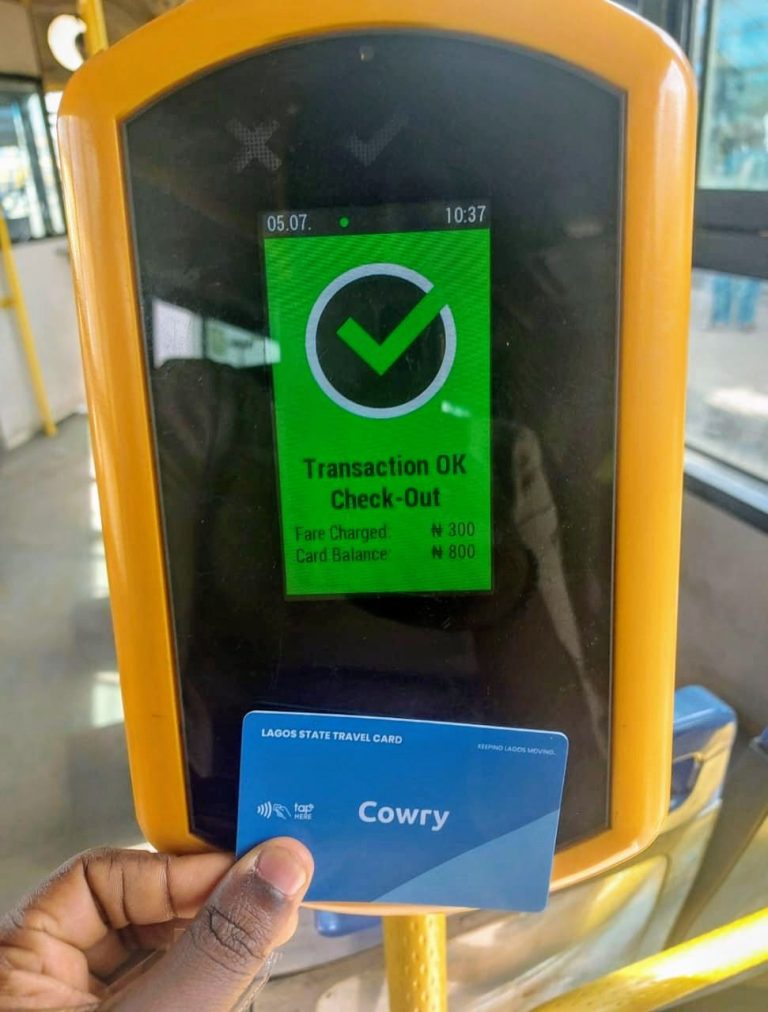
He highlighted the potential for customers to use compatible devices to pay at retail outlets and on public transportation systems, including BRT services and Lagos rail lines, provided the relevant payment infrastructure and acceptance arrangements are available.
Mabawonku said the goal was to make digital payments more seamless and extend their availability across more locations.
Why Banks Are Embracing the Technology
Interswitch’s partners see tokenisation as an opportunity to improve customer experience and expand the range of digital payment services available in Nigeria.
GTBank representative Jimmy Banjoko said the technology was at an early stage of adoption in the market but expressed optimism about its prospects.
He linked its potential growth to the increasing preference for digital and contactless transactions, adding that customers could gradually move from conventional in-app payments towards tap-and-pay options.
For Verve International, tokenisation represents an opportunity to expand its digital payment capabilities.
Managing Director of Verve International, Vincent Ogbunude, said the technology could reduce the number of steps required to complete transactions while improving the protection of payment credentials.
He noted that conventional transfers often require customers to open banking applications, enter account details and complete several steps before a payment is made.
Tokenisation, by contrast, could allow eligible customers to authenticate themselves and complete payments by tapping compatible devices.
Ogbunude also highlighted the potential for the technology to support payments through connected devices and help position Verve within the evolving global digital payments ecosystem.
ProvidusUnity Bank’s Digital Business Executive, Elliott Kayode Sangoleye, said Providus Bank began exploring tokenisation following changes in consumer behaviour during the COVID-19 pandemic.
He said the bank’s approach extended beyond smartphones to include compatible smartwatches and payment rings, which can be used at supported payment terminals.
Sangoleye added that extending the technology to more customers and merchants would be important to expanding adoption.
Security Benefits and Remaining Risks
A major selling point of tokenisation is its potential to reduce the exposure of sensitive card details during transactions.
When a token is used instead of the original card number, a person who obtains that token may be unable to use it as they would the original payment credentials, depending on the restrictions and security controls in place.
Nevertheless, tokenisation does not eliminate all payment fraud. Customers may still face risks involving compromised devices, stolen authentication credentials, account takeover or social engineering.
The effectiveness of the technology therefore depends on the wider security arrangements surrounding the payment, including authentication, transaction monitoring and the handling of suspicious activity.
Lawal said established card-network rules provide frameworks for managing disputes and protecting the interests of both customers and merchants.
For consumers, however, confidence will also depend on knowing what happens when an unauthorised transaction occurs, how complaints are investigated and under what circumstances reimbursement may be available.
These questions remain important as banks and payment providers introduce new ways of initiating transactions.
Partnerships Will Determine Adoption
The success of tokenisation will depend on more than the technology itself. Banks must integrate the service into their payment systems, merchants need compatible acceptance infrastructure, and customers must have access to supported devices and services.
Interswitch and its banking partners emphasised the importance of collaboration in expanding adoption.
Mabawonku said Interswitch’s experience in building interoperable payment infrastructure could help bring more financial institutions into the initiative.
He noted that wider participation would make it easier for customers to use tap-and-pay services across more locations.
The rollout will also depend on consumer awareness, merchant acceptance and the reliability of the payment experience.
For businesses, the technology could reduce friction at checkout. For consumers, it offers another way to pay without repeatedly entering account or card details. For the financial industry, it provides an opportunity to build new services around digital payment credentials.
Ultimately, tokenisation is not intended to replace every existing payment method. Rather, it could complement bank transfers, physical cards and other electronic channels while expanding the options available to consumers.
As Interswitch and its partners advance the technology, the key test will be whether the promised convenience and security translate into a payment experience that Nigerians can use reliably in their everyday transactions.

 Chinenye Anuforo