Thinking of Buying a Google Pixel? Here Are 4 Things You Should Know Before You Spend Your Money
 Digitnomics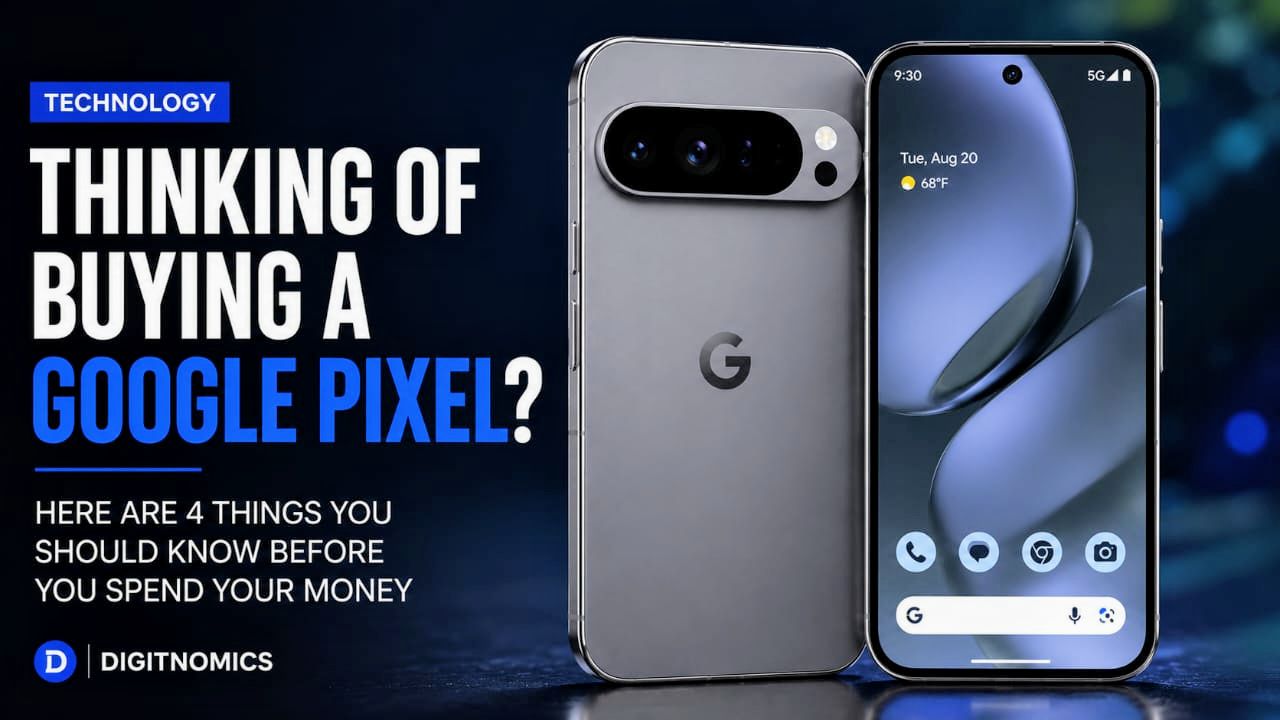
By Francisca Anuforo
Google Pixel smartphones have earned a loyal following over the years. They are often praised for their clean Android experience, excellent cameras, and fast software updates directly from Google.
For many Android users, that combination is enough to make the Pixel one of the best smartphones available.
However, no smartphone is perfect. Before spending hundreds of dollars on a Pixel device, it is worth understanding some of the compromises that come with owning one.
- Performance isn’t always the strongest
Google designs its own Tensor processors to power Pixel phones, focusing heavily on artificial intelligence and machine learning features.
While the chips perform well during everyday activities like browsing, messaging, photography, and video streaming, they generally lag behind Qualcomm’s latest Snapdragon flagship processors when it comes to raw performance.
This difference becomes more noticeable during intensive gaming, heavy multitasking, or demanding video editing tasks.
If maximum processing power is your priority, competing flagship Android devices may offer better value.
- Some headline features may not work where you live
One of Google’s biggest selling points is its exclusive software features.
Functions such as Call Screening, Hold for Me, Call Notes, and certain AI-powered tools receive plenty of attention during product launches.
The catch is that many of these features are only available in selected countries or supported languages.
For buyers outside major markets like the United States, some advertised features may be unavailable or offer limited functionality.
Before purchasing a Pixel primarily because of a software feature, it’s wise to confirm whether it is supported in your country.
- Battery life may not match some rivals
Battery performance has improved across recent Pixel generations, but Google’s phones still face stiff competition.
Several Android manufacturers now offer larger batteries, faster charging speeds, and longer endurance between charges.
Heavy users who spend hours gaming, recording videos, or relying on mobile data throughout the day may find other flagship phones better suited for extended use.
Although battery life varies depending on individual usage, it remains an area where Pixels don’t always lead the market.
- The hardware doesn’t always push boundaries
Google tends to take a conservative approach to smartphone design.
Instead of chasing the highest charging speeds, the biggest camera sensors, or experimental hardware, the company focuses on delivering a polished overall experience.
Meanwhile, brands like Samsung, OnePlus, Xiaomi, and Oppo frequently introduce larger batteries, faster charging, advanced zoom systems, and other hardware innovations.
For users who enjoy having the latest cutting-edge technology, the Pixel lineup may feel less exciting compared to some competitors.
Should You Still Buy One?
Absolutely—if your priorities align with what Google does best.
Pixel phones remain among the best choices for users who want clean Android software, industry-leading computational photography, timely security updates, and long-term software support.
However, buyers looking for maximum performance, universally available AI features, exceptional battery life, or groundbreaking hardware should compare other flagship Android devices before making a final decision.
The best smartphone isn’t necessarily the one with the most features—it’s the one that best fits your everyday needs.