 Digitnomics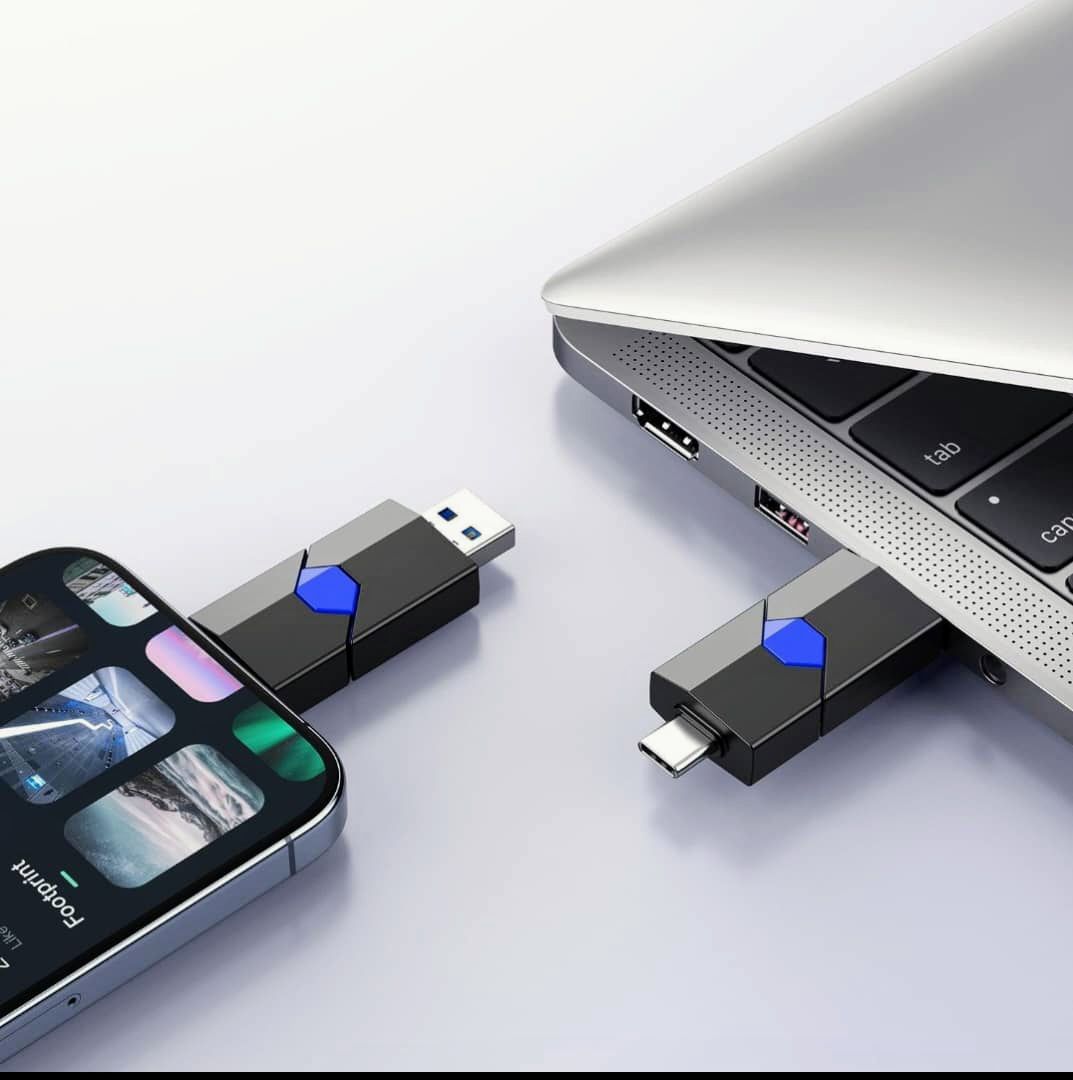
By Digitnomics
The USB flash drive, once considered an essential computer accessory, is refusing to disappear despite the rapid growth of cloud storage, wireless file sharing and portable solid-state drives (SSDs).
For years, the rise of services such as cloud storage and wireless transfer technologies led to predictions that USB flash drives would become obsolete. However, the technology continues to find practical uses in 2026, particularly for users who need portable, offline access to their files.
The renewed relevance of flash drives comes as storage technology continues to evolve. Modern USB drives can offer significantly higher transfer speeds than the older USB 2.0 devices that many users still have at home or in their offices.
The USB Implementers Forum (USB-IF) says the USB 3.2 specification supports transfer rates of up to 20Gbps, depending on the configuration of the host, device and cable.
Why flash drives are still useful
One of the biggest advantages of a USB flash drive is that it does not require an internet connection.
A user can plug the device into a compatible computer and immediately access stored files. This can be particularly useful when internet connectivity is unavailable, unreliable or too expensive for transferring large files.
For Nigerian users, where internet access and data costs can sometimes influence how large files are shared, offline file transfer remains a practical use case.
Flash drives can also be useful for transferring photographs, videos, documents and other files between computers without first uploading them to a cloud platform.
They are also commonly used to create bootable installation media for operating systems, allowing users to install or repair an operating system from a USB device.
Newer USB drives are much faster
Not all flash drives offer the same performance.
Older USB 2.0 drives are considerably slower than newer USB 3.x devices. USB-IF’s USB 3.2 specification supports 5Gbps, 10Gbps and, in some configurations, 20Gbps transfer rates.
Some high-performance USB flash drives now advertise speeds approaching those traditionally associated with portable SSDs.
This has also made the distinction between a high-end flash drive and a small external SSD less obvious.
Some portable storage products now combine SSD technology with a compact USB-stick-like design, giving users high portability without necessarily sacrificing as much performance.
Cloud storage has not made physical storage irrelevant
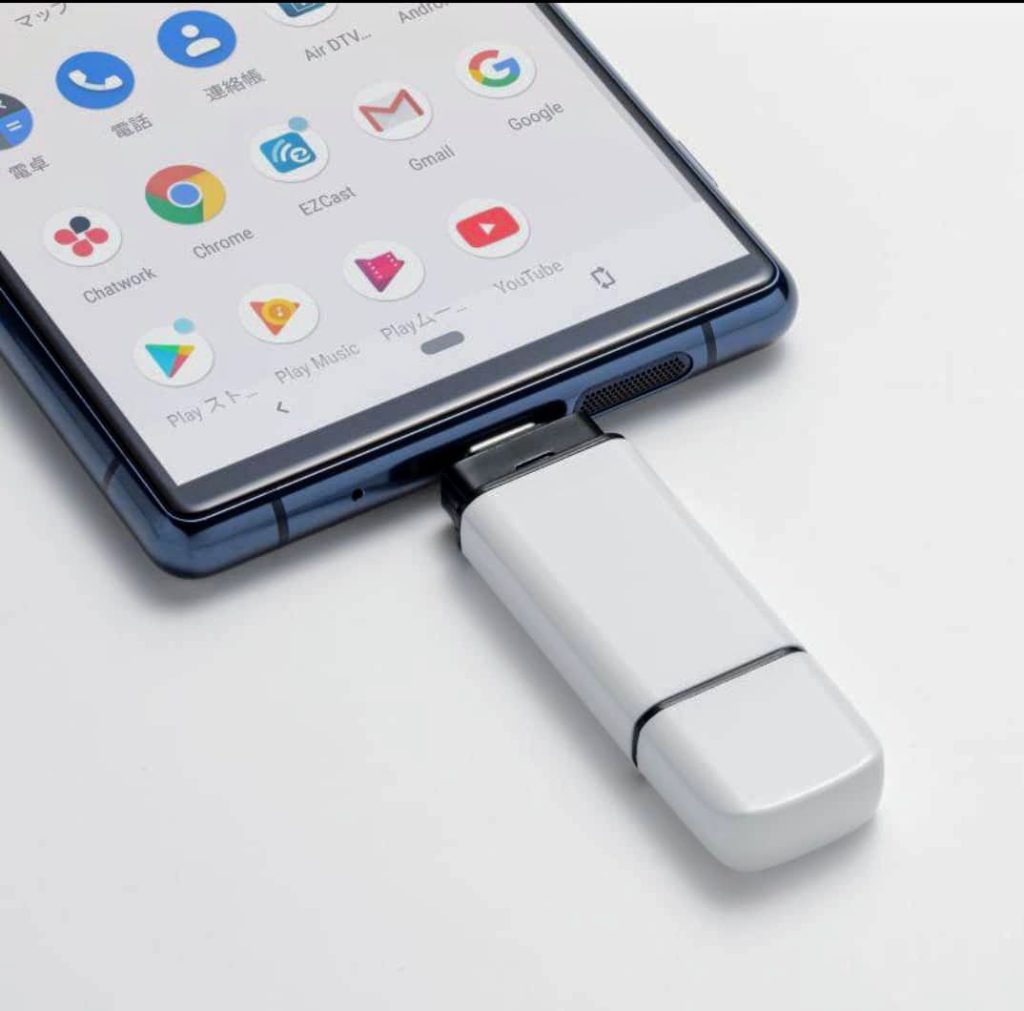
Cloud services have transformed the way people store and access information, but they have not eliminated the need for physical storage.
Cloud storage depends on internet connectivity and the continued availability of the service. A locally stored file, by contrast, can be accessed without an internet connection.
Physical storage also gives users direct possession of their files.
However, that does not mean a flash drive is automatically safer than cloud storage.
A USB drive can be lost, stolen, damaged or infected with malware. Security researchers have also highlighted the risks associated with using unknown or untrusted USB devices.
Should you still buy a USB flash drive in 2026?
The answer depends on what you intend to use it for.
For occasional document transfers, bootable operating-system media and carrying files between computers, a good-quality flash drive can still be useful.
For people regularly working with very large video files or requiring sustained high transfer speeds, a portable SSD may be a better choice.
Users should also avoid relying on a single USB drive as the only copy of important documents, photographs or work files.
The continued existence of USB flash drives in 2026 highlights a familiar pattern in technology: newer technologies do not always completely eliminate older ones.
Instead, they often change the situations in which the older technology remains useful.
For the USB flash drive, its combination of small size, offline access, portability and increasingly high speeds means the little storage device still has a place in the modern digital world.
Digitnomics is a technology and economy platform focused on explaining how technology is changing everyday life, business and Nigeria’s digital economy.