 Digitnomics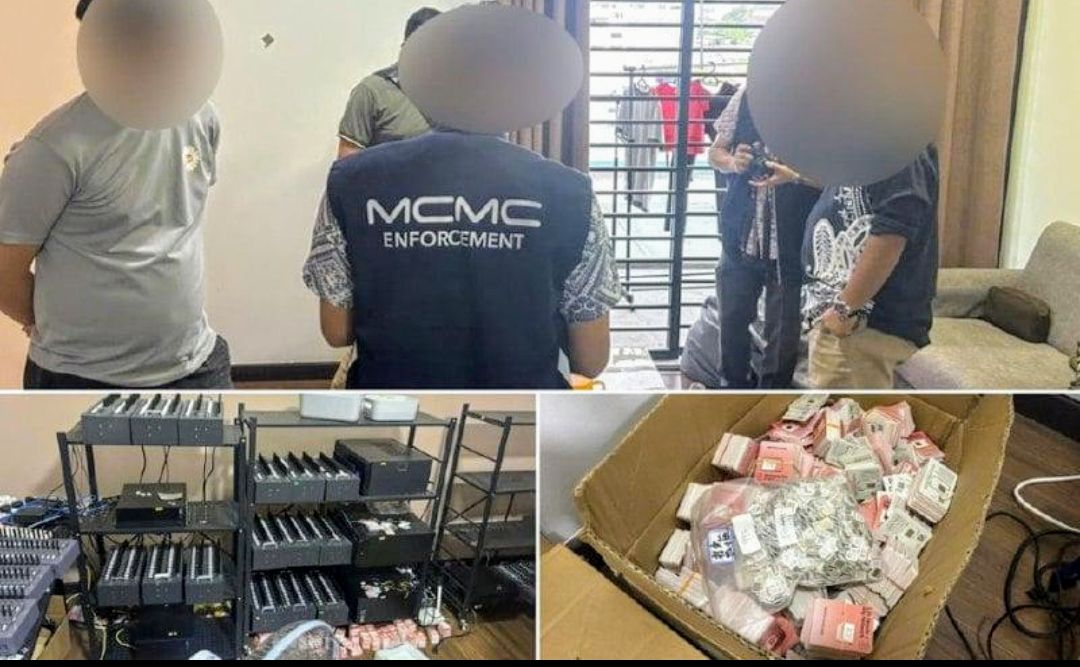
Your phone rings and the number displayed on the screen looks completely Nigerian.
You answer, only to discover that the person on the other end is calling from abroad.
It may seem like an ordinary phone call, but Nigeria’s telecom regulator says something more serious could be happening behind the scenes.
The Nigerian Communications Commission (NCC) has raised a fresh alarm over the resurgence of call masking, a practice that can make international calls appear as though they originated from Nigerian numbers.
The warning came after the NCC Governing Board’s 110th meeting held on September 9, 2026, where the Board reviewed developments in the telecommunications sector and expressed concern over reports of renewed call masking activities.
The Commission reaffirmed its zero-tolerance position, saying the practice undermines legitimate telecommunications operations, distorts industry revenues and constitutes economic sabotage capable of affecting the wider economy.
But what makes a call appear to be coming from Nigeria when it actually originated abroad?
Call masking involves altering or disguising the true identity or origin of a telephone call.
In one of the forms that has affected Nigeria’s telecom sector, international voice traffic is routed through unauthorised channels and eventually terminated using Nigerian telecommunications numbers.
To the person receiving the call, the international communication can therefore look like an ordinary local call.
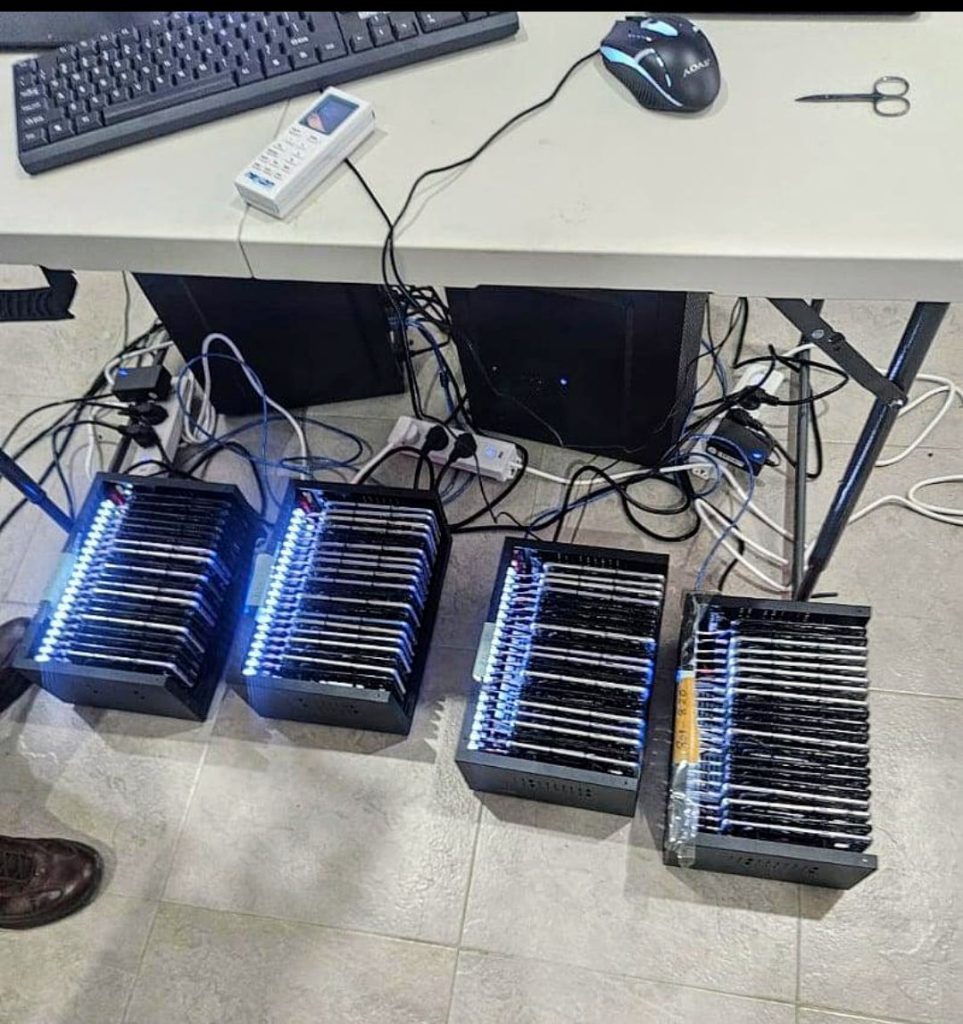
This is where SIM-boxing becomes important.
SIM-boxing involves the use of specialised equipment capable of holding multiple SIM cards. International voice traffic can be routed through these systems and terminated through local SIM cards.
The result is that traffic which should be recognised and handled as international traffic can be made to appear local.
The financial incentive can be substantial.
International calls operate under different termination arrangements from local calls. By bypassing legitimate international termination channels, those behind the practice can potentially reduce costs and make money from the difference.
For telecom operators, that means lost revenue.
For government, it can mean lost revenue and a distorted telecommunications market.
For subscribers, however, the problem can be much more personal.
Ikechukwu Nnamani, Chief Executive Officer of Medallion Communications, previously highlighted the confusion masked calls can create for phone users.
Nnamani said he had encountered situations where calls appeared to be masked international calls. He explained that he sometimes did not answer unfamiliar numbers, only to discover later that the call had actually been from abroad.
That creates a peculiar problem in an increasingly connected economy.
Someone expecting a call from a potential employer abroad may ignore it.
A Nigerian business owner waiting for a foreign client may miss the call.
A student expecting communication from a university overseas may not know that the Nigerian-looking number on the screen is actually connected to an international call.
And families with relatives abroad can also be affected.
Chief Deolu Ogunbanjo, President of the National Association of Telecommunications Subscribers (NATCOMS), has also raised concerns about call masking and the need for stronger action against the practice.
Ogunbanjo drew attention to the possibility of unlicensed players benefiting from the system and the need for the industry and regulators to address the technical loopholes that make the practice possible.
But there is another reason why the NCC is taking the issue seriously: security.
When the true origin of a call is concealed, identifying and tracing the communication can become more difficult.
That could create opportunities for fraudsters and other criminals seeking to hide where their calls originate.
The concern is particularly important in a country where mobile phones have become deeply connected to financial services and digital identity.
A phone number can now be linked to a bank account, fintech wallet, social media account, business platform and other digital services.
The integrity of the number displayed during a call therefore matters.
If subscribers cannot reliably determine who is calling or where a communication originates, trust in the communications system can suffer.
The NCC’s latest warning also shows that call masking is not a problem Nigeria has encountered for the first time.
The country has battled SIM-boxing and related forms of telecom fraud for years.
Previous enforcement efforts included the blocking of numbers and action against entities suspected of facilitating call-masking activities.
Yet the problem appears to have resurfaced.
That raises a bigger question: why does call masking keep returning despite years of regulatory action?
The answer may lie in the economics of telecom traffic.
Where there is money to be made by bypassing legitimate international termination channels, there is an incentive to continually search for weaknesses in the system.
And as telecommunications technology evolves, the methods used to exploit networks can evolve as well.
This means the regulator cannot simply shut down one group of offenders and consider the problem solved.
It has to continuously monitor traffic, work with network operators, identify unusual patterns and adapt its enforcement mechanisms as the technology changes.
The NCC says it intends to do exactly that.
Following its latest Board meeting, the Commission said it would collaborate with security and law-enforcement agencies and telecom industry stakeholders to identify, prevent and eliminate call masking activities.
The renewed crackdown is also coming as Nigeria strengthens its broader telecommunications identity and security infrastructure.
The NCC is implementing systems aimed at improving the management of devices and telecommunications identities, including the Telecommunications Identity Risk Management System (TIRMS), which is expected to go live in October 2026.
These measures matter because Nigeria’s digital economy increasingly depends on the reliability of its telecommunications networks.
Call masking may therefore appear to be a niche telecom issue, but its implications stretch much further.
It touches consumer protection, telecom revenue, fraud prevention, digital identity and national security.
For the ordinary phone user, the immediate lesson is simple: the number appearing on your screen may not always tell you the true origin of a call.
A call that looks Nigerian may have started thousands of kilometres away.
And that is exactly why the NCC is watching the return of call masking so closely.
The challenge now is not just to stop the masked calls already being detected, but to close the loopholes that allow the practice to keep reinventing itself.
Because in Nigeria’s increasingly digital economy, knowing who is really calling you is becoming more than a matter of convenience. It is becoming a matter of trust and security.