Premium Smartphones Continue to Dominate Nigeria’s Mobile Market Despite Economic Pressure
 Digitnomics
Despite rising inflation and weakening consumer purchasing power, premium smartphone brands continue to dominate Nigeria’s mobile market, reflecting the growing role of smartphones in everyday economic activity.
Latest data from the Nigerian Communications Commission (NCC) showed that Samsung Electronics remained the country’s most-used smartphone brand with a 37.8% market share as of March 2026, while Apple accounted for 21.4%.
Combined, both brands represented nearly 60% of active smartphones across Nigeria, underscoring sustained consumer demand for high-end devices despite broader economic challenges.
Smartphones Become Essential Economic Tools
The NCC, in its latest Device Model Adoption and Performance Benchmarking report, noted that smartphones are increasingly central to how Nigerians work, transact, communicate, and access digital services.
Mobile devices now support activities including: Digital banking
Online trading
Remote work
Transportation services
E-commerce
Social media
Digital payments
Industry analysts say smartphones have evolved from consumer electronics into essential infrastructure for participation in Nigeria’s digital economy. Premium Brands Retain Strong Consumer Appeal
Although both Samsung and Apple recorded slight declines in market share compared to August 2025 figures, they remain significantly ahead of competing brands.
Analysts attribute their sustained dominance to:
Strong brand loyalty
Premium device features
Expansion of Nigeria’s second-hand smartphone market
Flexible financing options introduced by fintech firms and retailers
The aspirational appeal of premium devices also remains strong among younger consumers, where high-end smartphones continue to carry social and professional significance. Chinese Brands Gain Momentum
At the same time, more affordable Chinese smartphone brands are rapidly expanding their market presence.
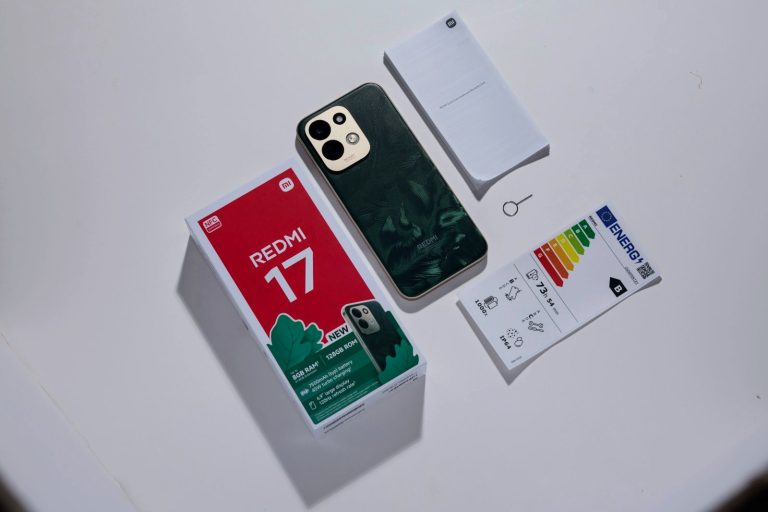
Tecno increased its market share from 10.9% in August 2025 to 14.2% by March 2026, while Xiaomi climbed to 7.8%.
Analysts say worsening economic conditions are pushing more consumers toward lower-cost devices that still offer:
Large storage capacity
Advanced camera systems
Strong battery life
4G and 5G connectivity
The trend is helping expand internet access among lower-income consumers and first-time smartphone users.
5G Adoption Continues to Rise
The NCC report also highlighted growing adoption of 5G-enabled devices as telecom operators continue expanding next-generation network infrastructure.
Among the most-used 5G smartphones:
Huawei Mate 40 Pro 5G recorded 125,444 Speedtest-based usage records
Apple’s iPhone 12 Pro Max 5G followed with 47,302 records
Xiaomi’s Redmi 14C and Redmi 13C jointly recorded 46,237 tests
Samsung Galaxy S24 Ultra generated 39,321 records
Industry observers say the figures reflect increasing consumer demand for faster mobile internet services as data consumption continues to rise across Nigeria.
Digital Inclusion Driven by Mobile Access
Experts say the combination of premium smartphone demand and growth in affordable Android devices highlights two parallel realities within Nigeria’s digital economy:
Premium brands continue to dominate aspirational and high-performance segments
Affordable smartphones are driving broader digital inclusion and internet expansion
With mobile connectivity now central to commerce, communication, entertainment, and financial services, analysts say smartphone ownership is increasingly viewed as a necessity rather than a discretionary purchase.
Digitnomics Insight
Nigeria’s smartphone market reflects how deeply mobile technology has become embedded in economic life. While premium devices continue to dominate aspirational demand, affordable Android brands are increasingly powering digital inclusion and expanding access to the country’s growing internet economy.