 Digitnomics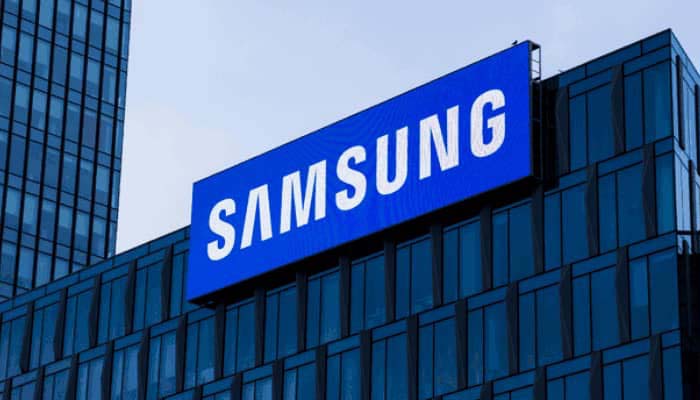
By Nonye Ngorka
Samsung Electronics has crossed the $1 trillion market valuation mark after a sharp rally in its shares, as investor enthusiasm around artificial intelligence infrastructure continues to reshape the global semiconductor industry.
The South Korean technology giant recorded its largest single-day stock gain on record after shares surged more than 15%, placing the company among a select group of firms benefiting from the accelerating global AI investment cycle.
The milestone makes Samsung one of the few Asian technology companies to sustain a valuation above $1 trillion, alongside major semiconductor players tied to AI infrastructure growth.
AI Boom Drives Semiconductor Surge
The rally follows strong quarterly earnings from Samsung, driven largely by rising demand for high-bandwidth memory (HBM) chips used in advanced AI systems and data centres.
The company reported operating profit of 57.2 trillion Korean won, more than eight times higher than the same period last year, while revenue climbed to a record 133.9 trillion won.
Industry analysts say the surge reflects how rapidly AI adoption is increasing demand for advanced semiconductor infrastructure.
HBM chips play a critical role in AI systems by enabling processors to quickly move and process large volumes of data required for training and running generative AI models.
Global Tech Firms Increasing AI Infrastructure Spending
The rapid expansion of AI infrastructure by companies such as NVIDIA, Google, and Microsoft has intensified demand for memory chips globally.
According to market analysts, shortages in DRAM and NAND memory chips could persist for years due to the long development timelines and high capital requirements involved in semiconductor manufacturing.
DRAM chips temporarily store data during processing, while NAND chips provide long-term storage—both essential components in AI servers and cloud computing systems.
Samsung Moves to Challenge SK hynix in HBM Market
Samsung is also accelerating efforts to strengthen its position in the HBM segment, where rival SK hynix currently holds a dominant market share.
Industry estimates place SK hynix’s share of the HBM market at roughly 55%, compared to Samsung’s estimated 25%.
To close the gap, Samsung recently began mass production of its latest HBM4 chips, which are expected to power next-generation AI systems, including advanced data centre infrastructure.
The company has reportedly started supplying the chips to customers, although it has not publicly disclosed specific buyers.
Investor Confidence Boosted by AI Expansion
Investor sentiment also strengthened following reports that Apple had explored potential semiconductor manufacturing partnerships involving Samsung and Intel in the United States.
Analysts say even the possibility of Samsung securing additional AI-related manufacturing contracts contributed to optimism around its long-term growth prospects.
The broader South Korean stock market also rallied alongside the company’s surge, with the Kospi index crossing the 7,000-point level for the first time.
AI Infrastructure Reshaping Global Tech Investment
The rally underscores how AI is rapidly transforming global technology markets, with chipmakers increasingly positioned at the centre of a new investment cycle driven by: Data centres, Cloud computing, Generative AI systems and Advanced computing infrastructure
Analysts believe companies capable of producing advanced memory chips at scale are likely to remain among the biggest beneficiaries of the AI expansion over the coming years.
Digitnomics Insight
The AI boom is no longer benefiting software companies alone. Semiconductor manufacturers are emerging as critical infrastructure players in the global digital economy, as demand for computing power, cloud capacity, and AI systems accelerates worldwide.