
 Digitnomics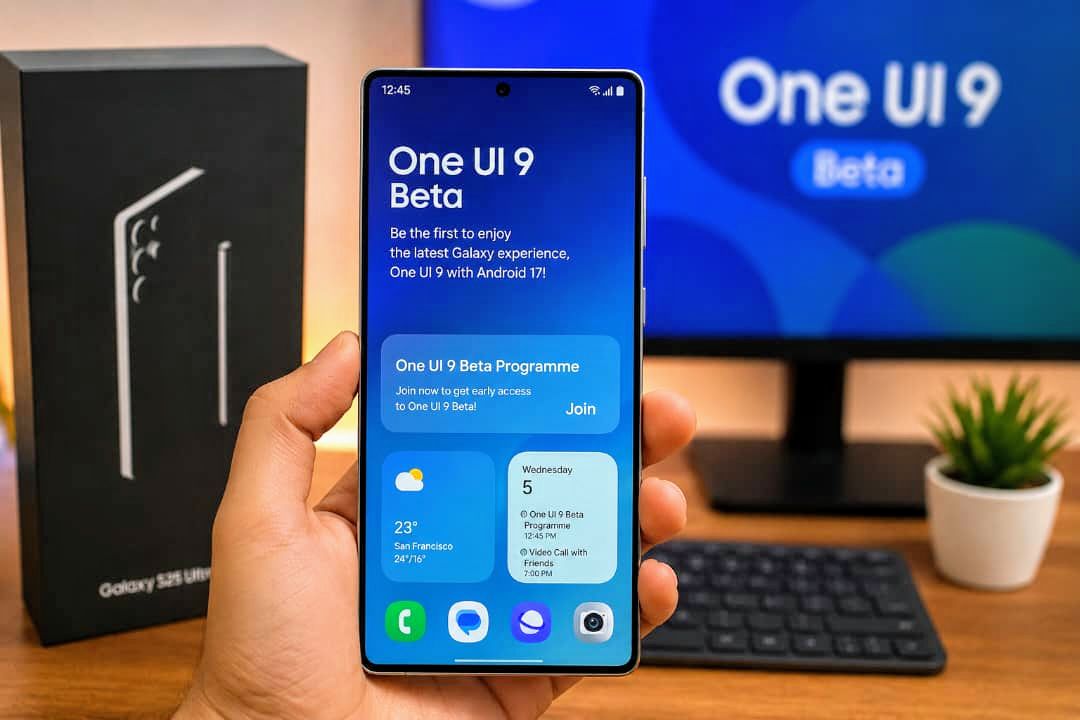
Samsung has officially expanded the beta rollout of its upcoming One UI 9 software update across select global markets, but African countries, including Nigeria, remain excluded from the early access programme.
The second phase of the beta rollout is scheduled to begin on May 26, 2026, covering additional markets such as India and Poland after the first wave launched in countries including the United States, Germany, and South Korea.
Industry analysts note that Samsung has historically limited major One UI beta programmes to North America, Europe, and parts of Asia, with sub-Saharan African markets rarely included in official testing phases.
Stable Launch Expected Around Galaxy Unpacked Event
The stable version of One UI 9 is widely expected to debut during Samsung’s next Galaxy Unpacked event, which industry reports suggest could take place on July 22, 2026, in London.
Although Samsung has not officially confirmed the event date, analysts expect the rollout to begin with Samsung’s next-generation foldable devices.
The Galaxy Z Fold 8 and Galaxy Z Flip 8 are expected to ship with One UI 9 pre-installed, while the Galaxy S26 and S25 series are projected to receive stable updates between late July and August 2026.
Older flagship models such as the Galaxy S24 series, Z Fold 7, Z Flip 7, Z Fold 6, and Z Flip 6 are expected to follow shortly after, with Galaxy S23 devices and select foldables likely arriving in subsequent rollout phases.
Mid-range Galaxy A-series smartphones and Samsung tablets are expected to receive updates later in 2026 and into early 2027.
Africa Likely to Experience Delayed Rollout
Samsung’s software deployment pattern typically places African markets behind Europe and Asia during major Android update releases.
Industry observers say users in Nigeria and other African countries often experience delays ranging from several weeks to months, particularly for carrier-locked devices.
Some lower-end A-series smartphones may also receive limited One UI 9 functionality due to hardware constraints and processing limitations.
How Eligible Users Can Access the Beta Programme
Samsung says users in supported regions with eligible Galaxy S26 devices can join the beta programme through the Samsung Members application.
The process includes:
- Signing into a Samsung account
- Registering through the One UI 9 Beta Programme banner
- Downloading the beta firmware through software update settings
- Installing the update via Wi-Fi
However, Samsung noted that beta access may still vary depending on:
- Device model
- Carrier restrictions
- Regional availability
- Programme capacity
Not all eligible users are guaranteed immediate participation during the first rollout wave.
Samsung Warns Against Unsupported Installations
Despite Africa’s exclusion from the official beta, some users are reportedly attempting to sideload beta firmware using unofficial methods designed to bypass regional restrictions.
Technology experts warn that such practices could:
- Damage devices
- Void warranties
- Disrupt banking applications
- Affect carrier connectivity
- Cause software instability
Analysts also caution that beta software is inherently unstable and should not be installed on primary devices used for work, banking, or essential communication.
Samsung has already reportedly issued fixes for early mobile data issues discovered within some beta builds.
Premium Smartphone Pricing Remains a Barrier
The Galaxy S26 Ultra remains largely unavailable through official retail channels in Nigeria, with grey-market prices reportedly exceeding ₦1.5 million depending on import costs and exchange rate fluctuations.
Analysts say rising smartphone prices across emerging markets are increasingly pushing consumers toward older flagship devices and mid-range alternatives despite growing demand for premium AI-powered features.
Digitnomics Insight
Samsung’s exclusion of African markets from major beta programmes highlights the persistent gap between global technology rollouts and emerging market access. While Africa continues to experience rapid smartphone adoption and growing digital dependence, premium device availability, software rollout delays, and regional support limitations remain major barriers within the continent’s mobile technology ecosystem.