 Digitnomics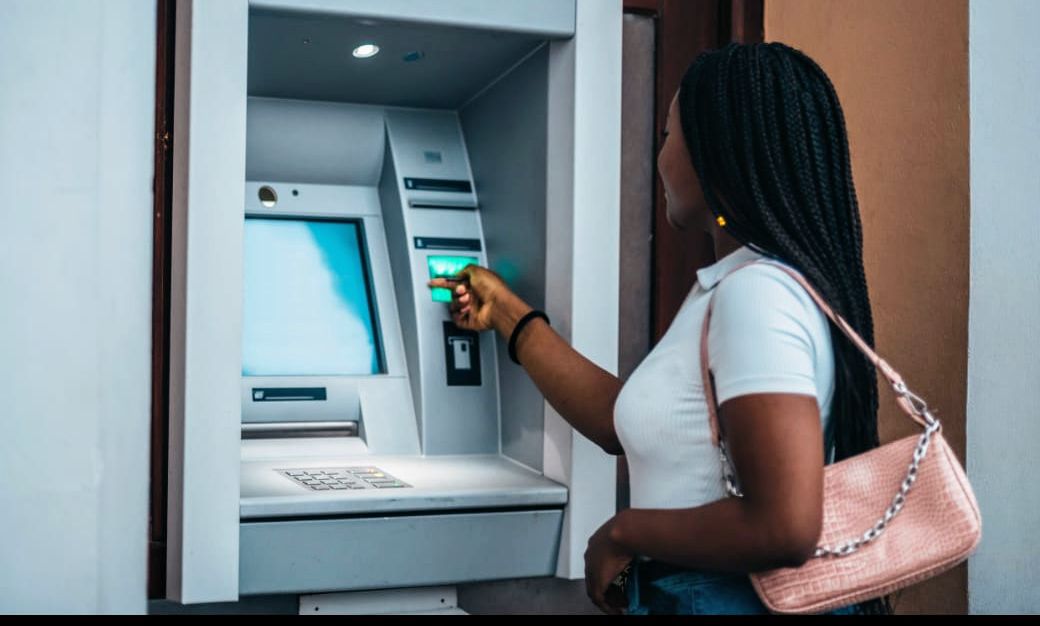
By Francisca Anuforo
Nigeria’s ATM card technology remains one of the safest in the world, with no recorded case of criminals successfully hacking the card’s security system, according to Assistant Inspector General (AIG) Uche Henry Ifeanyi, Chairman of INTERPOL’s African Working Group on Cybercrime.
Speaking at the Adhere Compliance Frontline Forum held at the Radisson Blu Anchorage Hotel, Victoria Island, Lagos, AIG Ifeanyi said the growing cases of ATM-related fraud in Nigeria are largely the result of social engineering rather than weaknesses in the cards themselves.
The forum, organised by Smart Comply, brought together stakeholders from the banking sector, fintech companies, law enforcement agencies and compliance professionals to discuss emerging financial crime risks and strategies for strengthening Nigeria’s financial ecosystem.
“Our ATM card is one of the safest in the world. There has not been any successful hack of the card itself,” AIG Ifeanyi said.
He explained that criminals typically gain access to victims’ funds by manipulating them into revealing confidential information such as their Personal Identification Number (PIN), One-Time Password (OTP), or other banking credentials.
According to him, fraudsters exploit human trust instead of breaking the security architecture protecting Nigeria’s payment cards.
Cybercriminals have replaced armed robbers
The INTERPOL official noted that financial crime has evolved significantly over the past few years, with cybercriminals replacing traditional armed robbers.
He observed that physical attacks on banks have become increasingly rare, while digital financial crimes continue to rise.
“Today’s criminals no longer carry guns into banking halls. They operate with laptops, smartphones, internet routers and sophisticated software,” he said.
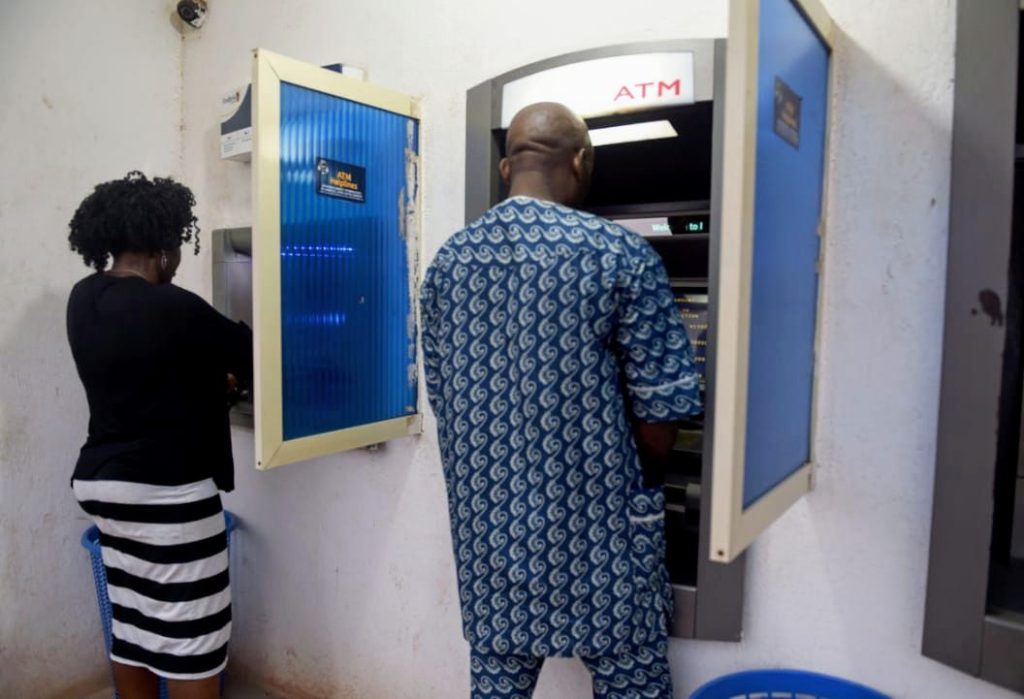
He warned that ransomware attacks, AI-enabled fraud, online scams and cryptocurrency-related money laundering are becoming more prevalent across Nigeria’s financial sector.
Drawing from previous investigations, AIG Ifeanyi said cybercrime syndicates now operate from locations that resemble modern technology offices, equipped with multiple computers, routers, mobile phones and payment cards used to execute fraudulent activities.
Technology must fight technology
AIG Ifeanyi stressed that law enforcement agencies face significant challenges in responding swiftly to cybercrime due to lengthy legal procedures required before suspicious bank accounts can be frozen.
He explained that obtaining court approvals and completing verification processes often takes several weeks, giving criminals enough time to move stolen funds beyond recovery.
To address this challenge, he urged banks, fintech companies and security agencies to deploy Artificial Intelligence (AI) and real-time fraud detection systems capable of identifying suspicious transactions before they are completed.
“Technology-driven crime can only be effectively fought with technology,” he said.
Trust is also at stake
The cybercrime expert warned that beyond financial losses, cyber fraud undermines public confidence in digital payment systems and financial institutions.
He noted that declining trust discourages investment, weakens financial inclusion and ultimately slows economic growth.
According to him, stronger collaboration among financial institutions, regulators, technology firms and law enforcement agencies is essential to tackling increasingly sophisticated cyber threats.
Staying safe
AIG Ifeanyi advised Nigerians to remain vigilant by protecting their banking information and never sharing their PINs or One-Time Passwords with anyone.
He also encouraged customers to ignore suspicious calls or messages requesting confidential banking details, activate transaction alerts and promptly report any unusual account activity to their financial institutions.
As Nigeria’s digital economy continues to grow, experts believe consumer awareness, alongside stronger cybersecurity investments and AI-powered fraud detection, will play a crucial role in keeping the country’s financial system secure.