Africa’s Next Chapter: Can Trade and Investment Turn Global Influence Into Real Economic Power?
 Digitnomics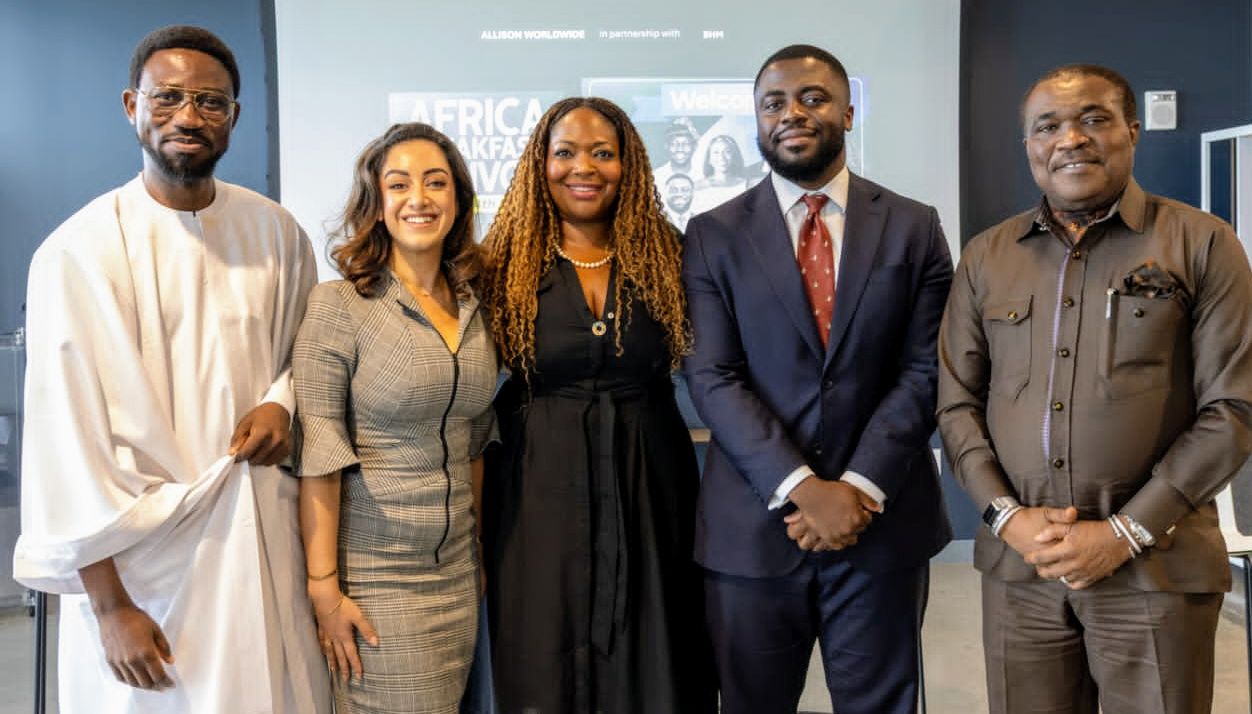
Africa’s growing influence in the global economy is increasingly difficult to ignore. But the bigger question is whether that influence can be converted into stronger trade, deeper investment and globally competitive African businesses.
That question took centre stage at the fourth edition of the Africa Breakfast Conversations (ABC 2026), held at the World Trade Center in New York on September 25, on the sidelines of the 81st United Nations General Assembly.
Convened by Allison Worldwide and BHM, the event brought together business leaders, investors, policymakers, entrepreneurs and other stakeholders from Africa, the United States and global markets under the theme, “Africa’s Next Chapter: Trade, Partnership, Investment & Global Influence.”
At the heart of the discussions was a striking imbalance in Africa’s commercial relationship with the United States.
U.S. trade in goods and services with Sub-Saharan Africa currently exceeds $79 billion, yet African exports account for less than one per cent of total U.S. imports.
For participants at the event, the figures highlight both the scale of the opportunity and the structural challenges preventing African businesses from capturing a larger share of global commerce.
The AfCFTA Opportunity
One of the major opportunities discussed was the African Continental Free Trade Area (AfCFTA), which connects 55 countries, more than 1.3 billion people and an economy with a combined GDP of about $3.4 trillion.
The agreement provides a framework for African businesses to access a much larger continental market while potentially creating stronger platforms for companies to scale before competing internationally.
But market size alone may not be enough.
Businesses still require access to capital, reliable infrastructure, efficient logistics, supportive policies and trade finance to move products across borders and compete effectively.
The continent’s estimated $100 billion annual trade finance gap remains a major constraint.
Without sufficient financing, many African businesses may struggle to fulfil large orders, expand production, enter new markets or participate meaningfully in international supply chains.
Africa’s Innovation Economy Is Growing
The discussions also highlighted the increasing role of technology and entrepreneurship in Africa’s economic transformation.
African startup technology funding has rebounded to $4.1 billion, representing a 25 per cent year-on-year increase.
The growth reflects continuing investor interest in African technology businesses and the potential of the continent’s young and increasingly digital population.
However, turning startup growth into broader economic value will require more than venture capital.
African businesses will need access to larger pools of growth capital, international markets, infrastructure and strategic partnerships that can help successful companies move from local operations to regional and global scale.
Building Global Companies From Africa
For Ayeni Adekunle, Chief Executive Officer of BHM Holdings, the conversation should increasingly focus on what African businesses can become over the next decade.
“I like to look into the future and imagine what is possible if we build 10 or 20 global companies out of Nigeria,” he said.
Adekunle acknowledged the challenges facing businesses in Nigeria, South Africa and other African markets but argued that long-term investment and entrepreneurship could significantly change the continent’s position in the global economy.
He noted that African entrepreneurs are already building across borders, investors are deploying capital and policymakers are working to create conditions for economic activity.
The next challenge, he said, is connecting these stakeholders around a shared commercial agenda.
“The entrepreneurs are building, the investors are financing them, and policymakers are creating the conditions for growth,” he said.
The Partnership Question
Claudine Moore, Managing Director, Africa at Allison Worldwide, said the changing economic relationship between Africa, the United States and global markets creates opportunities for stronger commercial partnerships.
According to her, bringing businesses, policymakers, investors and entrepreneurs into the same conversations could help identify practical areas for collaboration.
The discussions are particularly relevant as African countries seek to increase exports, attract investment and develop businesses capable of participating in global value chains.
For Africa, the challenge is therefore moving beyond conversations about potential.
The continent has a large consumer market, expanding digital economy, significant natural resources and a growing pool of entrepreneurs. What remains critical is creating the financial, infrastructure and policy systems that allow businesses to convert those advantages into sustainable commercial activity.
The Africa Breakfast Conversations brought together speakers including Hackim Abdul, Director, Africa Public Sector Banking at Citi; Yasamin Alttahir, Director of Global Marketing, Communications and External Affairs at The King’s Trust International; Kayode Akintemi, Managing Director and Editor-in-Chief of News Central TV; Akunna Cook, former Deputy Secretary of State for African Affairs in the Biden-Harris Administration and Chief Executive Officer and Founder of Next Narrative Africa; and Otunba (Dr.) Bimbola Ashiru, Chairman, Blackcod Group and Group Director, Odu’a Investment Company Limited.
As Africa seeks a larger role in the global economy, the central issue may no longer be whether the continent has economic potential, but whether its businesses and financial systems can convert that potential into scale, exports, investment and globally competitive companies.