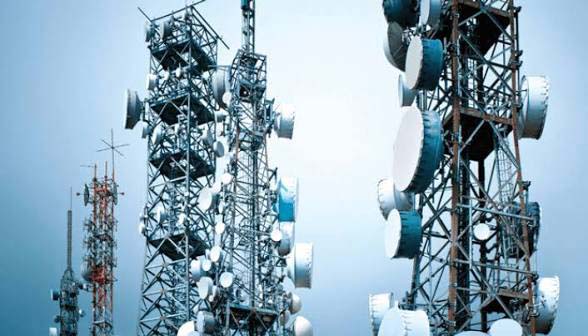
FG to Begin Deployment of 3,700 Telecom Towers in Underserved Communities by October
 Digitnomics
By Admin
The Federal Government has announced plans to begin deploying about 3,700 new telecom towers across Nigeria from October 2026 in a major push to improve mobile and internet connectivity in rural and underserved communities.
Minister of Communications, Innovation and Digital Economy, Dr. Bosun Tijani, disclosed the development after briefing President Bola Tinubu at the State House in Abuja. According to him, the project is expected to extend network coverage to more than 20 million Nigerians who currently have limited or no access to reliable telecom services.
“It has taken significant effort to put this project together, including raising the required funding. We are now at the stage where deployment should begin around October,” Tijani said.
Bridging Nigeria’s Digital Divide
Nigeria currently has nearly 190 million active telephone lines and over 157 million internet users. However, many rural communities continue to experience poor network coverage, dropped calls and slow internet speeds.
The new telecom towers are expected to improve voice and data services in these underserved areas while supporting digital inclusion, financial services, education, healthcare and other technology-driven opportunities.
The initiative is also expected to ease congestion on existing telecom infrastructure, leading to better service quality for millions of subscribers.
Building on Previous Investments
The latest rollout follows earlier efforts to strengthen Nigeria’s telecom infrastructure. In 2025, the Federal Government announced plans to deploy 4,000 telecom towers nationwide, while the Nigerian Communications Commission (NCC) disclosed that operators installed about 2,800 towers during the same period to improve nationwide coverage.
Industry experts believe continued infrastructure expansion will be crucial if Nigeria is to achieve its ambition of building a $1 trillion digital economy by 2030.
90,000km Fibre Network to Roll Out Soon
Beyond telecom towers, the government says construction of Nigeria’s planned 90,000-kilometre fibre optic network will commence within weeks.
According to Tijani, the nationwide fibre project will significantly improve broadband connectivity and strengthen the country’s digital infrastructure.
The estimated $2 billion initiative has attracted substantial funding commitments from international development partners, including the World Bank, African Development Bank (AfDB), European Bank for Reconstruction and Development (EBRD), as well as support from the Federal Government.
Once completed, the fibre network is expected to reach every state, local government area and ward, helping increase broadband penetration beyond 70% while supporting economic growth, digital innovation and improved internet access nationwide.
The combined deployment of new telecom towers and nationwide fibre infrastructure represents one of Nigeria’s biggest digital infrastructure projects aimed at expanding connectivity, improving service quality and accelerating the country’s digital transformation.