NiRA Pushes for Digital Sovereignty, Warns Nigeria Loses $850m Yearly to Foreign Digital Platforms
 Digitnomics
By Francisca Anuforo,
Stakeholders in Nigeria’s digital economy have called for stronger adoption of the country’s digital identity infrastructure, warning that continued reliance on foreign digital platforms, domains, and data hosting services is costing the nation an estimated $850 million annually.
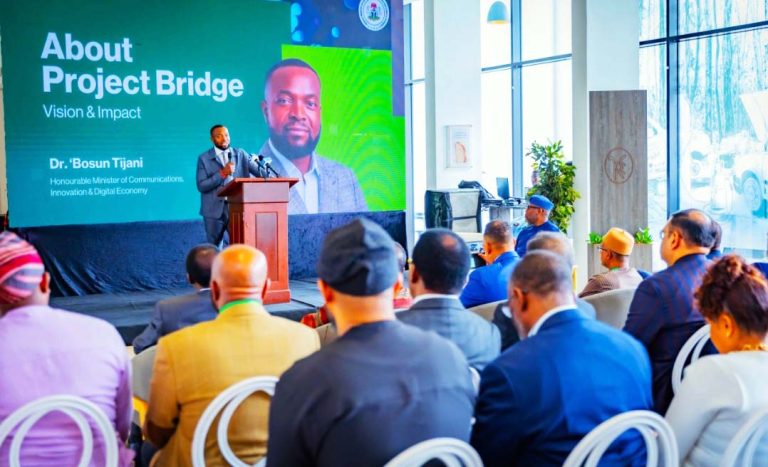
The call was made at the third edition of Tech Convergence, organised by the Nigerian Internet Registration Association (NiRA), where policymakers, regulators, industry leaders and technology experts gathered to discuss strategies for strengthening Nigeria’s digital independence.
The conference, themed “Strengthening Nigeria’s Digital Independence: The Role of Policy, Digital Identity, and .ng for Economic Growth,” focused on the need for Nigeria to exercise greater control over its digital assets, infrastructure, data and online identity.
Speaking at the event, President of NiRA, Adesola Akinsanya, described digital independence as the creation of a secure, resilient and competitive digital ecosystem that allows Nigeria to exercise greater control over its data, infrastructure, digital identity systems and online presence.
A major highlight of the conference was the disclosure that Nigeria loses about $850 million annually due to limited utilisation of indigenous digital identity infrastructure. Participants linked the losses to the country’s dependence on foreign domains, offshore hosting services and international digital platforms, which result in revenue outflows and reduced control over citizens’ data.
Chairman of the Senate Committee on ICT and Cybersecurity, Senator Shuaib Afolabi Salisu, described digital sovereignty as a matter of national security, noting that countries increasingly view control of digital infrastructure as strategic national assets.
According to him, while Nigeria has mechanisms to protect its physical borders, significant portions of its digital assets and data remain outside the country’s control.
He argued that wider adoption of the .ng country domain presents an opportunity for Nigeria to strengthen its digital identity and enhance data sovereignty.
The event attracted participation from key government agencies and industry organisations, including the National Information Technology Development Agency (NITDA), Nigerian Communications Commission (NCC), Nigeria Data Protection Commission (NDPC), National Bureau of Statistics (NBS), National Identity Management Commission (NIMC), Association of Telecommunications Companies of Nigeria (ATCON), and other stakeholders across the public and private sectors.
Participants also highlighted the importance of hosting Nigerian data within local infrastructure, citing benefits such as lower latency, improved accessibility, stronger regulatory oversight and increased demand for domestic cloud and data centre services.
To accelerate adoption of Nigeria’s digital identity ecosystem, Senator Salisu proposed policy measures that would encourage wider use of .ng domains across government services, educational institutions and businesses.
Another major announcement at the conference was the launch of the .ng Ambassador Programme, an initiative designed to create a network of advocates across government, academia, industry and civil society to promote the adoption of Nigeria’s country domain.
Chairperson of the NiRA Board of Trustees, Dr. Ibukun Odusote, said the programme would support efforts to deepen digital identity awareness and strengthen trust in Nigeria’s digital ecosystem.
Lawmakers at the event also pledged support for policies aimed at advancing Nigeria’s digital economy. Both the Senate and House Committees on ICT and Cybersecurity expressed commitment to fast-tracking relevant digital economy and cybersecurity legislation currently before the National Assembly.
Stakeholders concluded that strengthening Nigeria’s digital identity infrastructure, expanding adoption of the .ng domain and promoting local hosting capabilities are critical steps toward achieving long-term digital sovereignty and economic growth.
NiRA serves as the registry manager for Nigeria’s country code top-level domain, .ng, and is responsible for promoting its adoption, security and development as part of the country’s broader digital transformation agenda.