WIOCC Secures $300m Investment to Expand Africa’s Fibre, Data Centre Infrastructure
 Digitnomics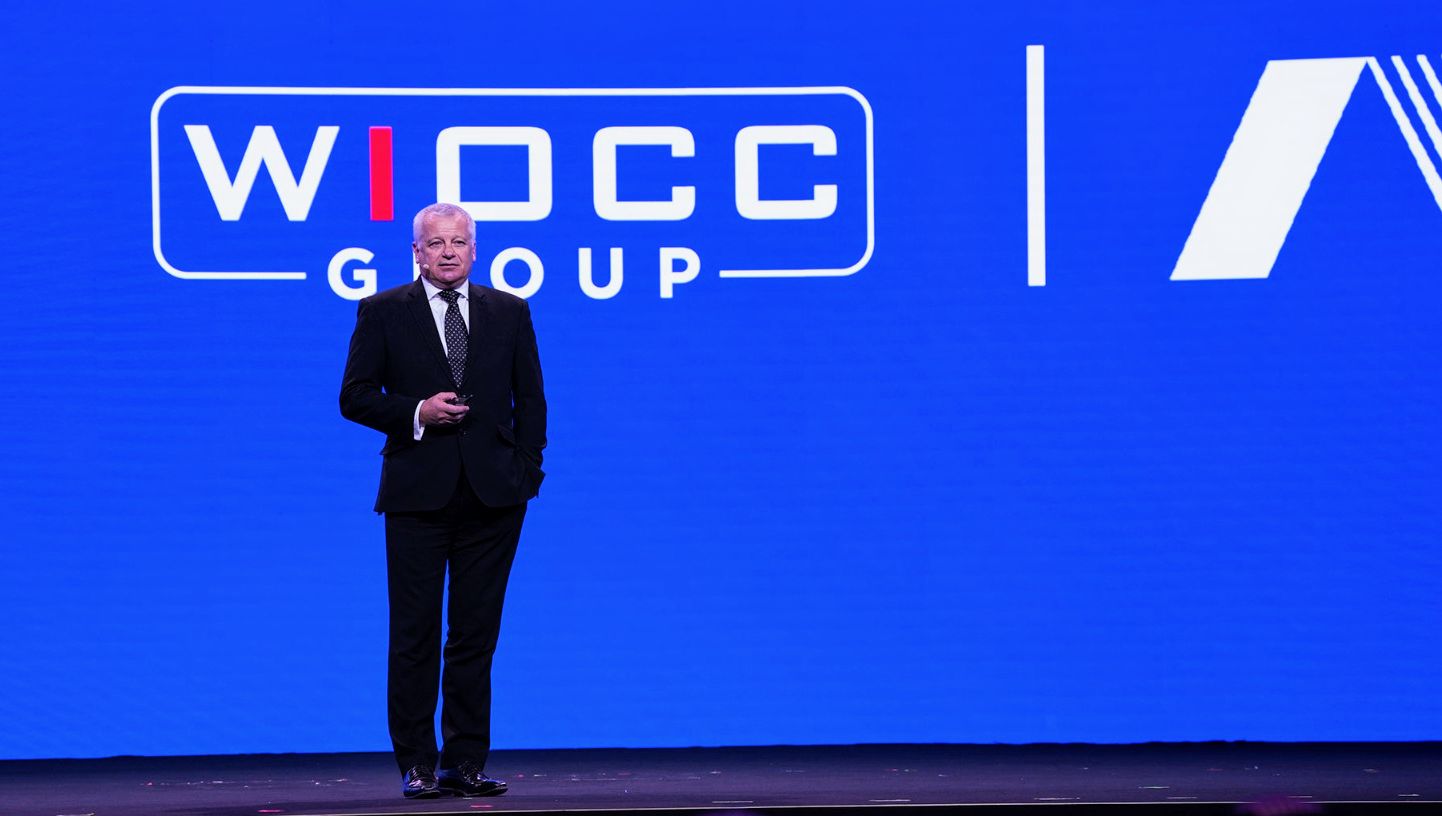
WIOCC Group, one of Africa’s largest digital infrastructure platforms, has secured a combined $300 million investment from the Africa Finance Corporation (AFC) and Saudi Arabian infrastructure investor, Vision International Investment Company (Vision Invest), to accelerate the expansion of critical digital infrastructure across the continent.
The investment, formalised through a Shareholder Subscription Agreement signed at the LEAP 2026 Global Technology exhibition in Riyadh, is expected to strengthen WIOCC’s capacity to expand terrestrial fibre networks, deploy data centres and invest in subsea cable assets.
The deal comes as demand for connectivity, cloud computing, artificial intelligence (AI) and data services continues to rise across African markets, while a substantial portion of the continent’s population remains without meaningful access to the internet.
According to figures cited by WIOCC from the International Telecommunication Union, only 35.7 per cent of Africa’s population was using the internet in 2025, compared with a global average of 73.6 per cent.
The company said the disparity highlights the scale of infrastructure investment required to expand digital access and support the next phase of Africa’s digital economy.
WIOCC, which operates in more than 30 African countries, said the fresh capital would be deployed as part of its long-term growth strategy, with emphasis on accelerating data centre deployment and consolidation, expanding its open-access terrestrial fibre footprint and making strategic investments in subsea infrastructure.
The expansion is expected to improve connectivity within African markets while strengthening links between the continent and key international digital markets.
President and Chief Executive Officer of AFC, Samaila Zubairu, said the investment reflected the growing importance of digital infrastructure to Africa’s economic competitiveness.
“The Africa we build must be connected, competitive and equipped to create value from the digital economy, not only consume it,” Zubairu said.
He likened fibre networks, data centres and subsea cables to transport corridors and energy networks, describing them as essential infrastructure for economic growth, innovation and the development of AI capabilities.
“Our investment in WIOCC will expand the open-access digital backbone African businesses and communities need to integrate, innovate and compete globally,” he added.
WIOCC Group Chief Executive Officer, Chris Wood, said the investment would enable the company to take advantage of Africa’s growing role in the global digital economy.
“Africa is uniquely positioned to capitalise on the next phase of global digital growth. As demand for cloud, AI and digital services accelerates, robust and scalable infrastructure will be essential to unlocking the continent’s potential,” Wood said.
He added that the investment would enable WIOCC to execute its growth strategy while strengthening its position as an open-access digital infrastructure provider across Africa.
For Vision Invest, the investment represents an opportunity to participate in the development of infrastructure underpinning Africa’s rapidly expanding digital economy.
Vision Invest President and CEO, Omar N. Al-Midani, said Africa’s demographic outlook would continue to drive demand for digital services.
He noted that Africa is home to the world’s youngest population and is projected to account for more than one-quarter of the global population by 2050.
WIOCC said its growth has been supported by African telecommunications operators and international development and investment institutions, including the International Finance Corporation (IFC) and African Capital Alliance (ACA).
Its shareholders include Uganda Telecom, Dalkom Somalia, Djibouti Telecom, Mozambique Telecom (TMCEL), Zanzibar Telecom (Zantel), Botswana Fibre Networks (BoFiNet), Lesotho Communications Authority, ONATEL, TelOne and Telkom Kenya.
The company said the latest investment would strengthen its financial capacity and allow it to respond more effectively to the growing infrastructure requirements of businesses and digital service providers across African markets.
The investment comes at a time when data centres, fibre networks and subsea cables are increasingly becoming strategic infrastructure for African economies, with the continent seeking to reduce connectivity gaps, improve intra-African data flows and build the capacity required for cloud computing, AI and other data-intensive technologies.