 Digitnomics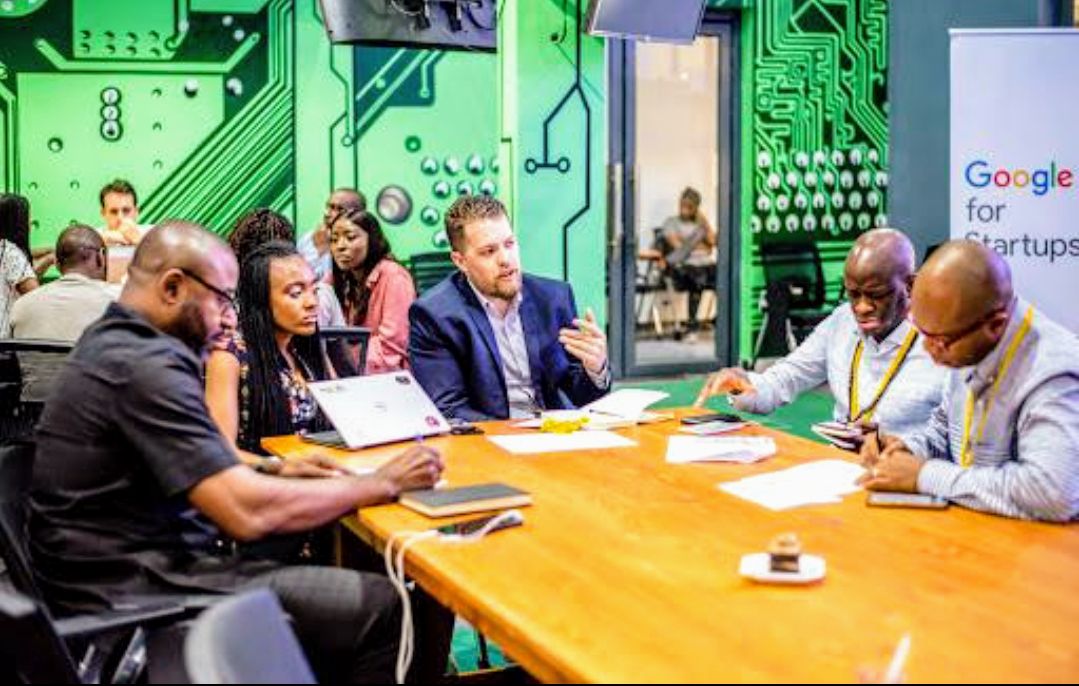
By Francisca Anuforo
Africa’s startup funding market may have cooled from the record levels seen a few years ago, but investors have not abandoned the continent.
Between 2020 and 2022, African startups attracted unprecedented levels of venture capital. The global shift that followed — marked by higher interest rates, tighter access to capital and greater scrutiny of startup valuations — forced many investors to become more selective.
Yet, some investors have continued to back African founders.
An analysis of startup investment activity between 2019 and 2026 shows that a number of venture capital firms, accelerators, development finance institutions and startup support organisations have remained active across the continent.
Their investments span sectors including fintech, healthtech, agritech, climate technology, logistics, e-commerce and digital infrastructure.
African startup funding: What the numbers show
The analysis recorded 9,298 startup investments involving 2,589 investors between 2019 and 2026.
The 10 most active investors accounted for 1,226 deals, representing 13.19% of total deals during the period.
African-based investors accounted for 699 investors and 3,217 deals, representing 34.59% of the total, highlighting the increasing importance of locally based capital in developing Africa’s startup ecosystem.
European development institutions also maintained a significant presence, recording 2,060 deals involving 525 investors.
The United States remains strongly represented among the continent’s most active investors, with four U.S.-based organisations appearing in the top 10.
Nigeria was the only African country with two investors in the top 10: LoftyInc Capital Management and Future Africa.
The list reflects the changing nature of startup financing in Africa, where traditional venture capital is increasingly being complemented by accelerators, development institutions, foundations and corporate-backed programmes.
- Future Africa — 77 deals
Nigeria-based Future Africa recorded 77 startup investments between 2019 and 2026.
Its investment activity was particularly strong in 2021 and 2022, when it completed 27 and 38 deals respectively.
The firm has backed businesses operating across areas such as fintech, healthcare, climate technology and digital infrastructure.
Future Africa was established by entrepreneurs, investors and operators with experience building businesses within Africa’s technology ecosystem, giving it an operational perspective when supporting founders.
- 500 Global — 79 deals
Global venture capital firm 500 Global recorded 79 African startup deals during the period.
Its activity was spread across several years, with 2022 standing out with 22 investments. The firm also recorded 12 deals in each of 2020 and 2021.
500 Global invests across different stages, from pre-seed to pre-IPO, and has maintained a focus on technology companies operating in fast-growing and underserved markets.
- 54 Collective — 87 deals
54 Collective, formerly known as Founders Factory Africa, recorded 87 startup investments.
The venture builder has maintained activity beyond the peak funding years, including 24 deals in 2024.
Its approach goes beyond providing capital. The organisation works directly with founders, combining funding with strategic, technical and commercial support designed to help young businesses overcome key growth challenges.
- LoftyInc Capital Management — 96 deals
Nigerian investment firm LoftyInc Capital Management completed 96 deals between 2019 and 2026.
The firm’s strongest period came during the African venture capital boom, with 41 deals in 2021 and another 35 in 2022.
LoftyInc has built a significant early-stage investment presence in Africa. Information published by the firm indicates that it has invested in more than 130 African entrepreneurs.
Its inclusion among the continent’s most active investors also reinforces Nigeria’s position as an important centre for venture capital and startup activity.
- Flat6Labs — 100 deals
Egypt-based Flat6Labs crossed the 100-deal mark during the period under review.
The accelerator recorded 41 deals in 2021 and 47 in 2022, making those two years particularly significant for its investment activity.
Founded in Cairo in 2011, Flat6Labs has developed a broad presence across Africa, the Levant and the Gulf region.
The organisation says it has supported more than 10,000 founders through its programmes and ecosystem support initiatives.
- Y Combinator — 133 deals
One of the world’s best-known startup accelerators, Y Combinator, recorded 133 investments involving African startups between 2019 and 2026.
Its strongest years within the period were 2021 and 2022, when it recorded 37 and 43 deals respectively.
For African founders, participation in global accelerator networks such as Y Combinator can provide more than funding. It can open access to international investors, mentors, customers and other founders.
The accelerator has backed companies across sectors including fintech, healthcare and commerce, helping some African startups gain visibility beyond their home markets.
- Google for Startups Black Founders Fund — 142 deals
Google for Startups Black Founders Fund recorded 142 deals, placing it fourth among the most active investors in African startups.
Unlike traditional venture capital funds, the programme has supported entrepreneurs through a combination of equity-free funding, cloud credits, mentorship and access to networks.
Its activity was particularly high in 2021 and 2022, when it recorded 53 and 59 deals respectively.
However, the analysis shows no investment recorded for the programme in 2026.
- Techstars — 152 deals
Global accelerator Techstars ranked third, with 152 startup investments recorded since 2019.
The organisation combines capital with mentorship, founder support and access to a global network of investors and business operators.
Its activity across Africa grew considerably over the years, rising from just two deals in 2019 to 58 in 2023.
However, activity subsequently declined to 20 deals in 2024 and three in 2025, with no deals recorded in 2026 in the analysis.
Techstars says it has supported more than 11,000 founders globally, with its portfolio companies representing more than $300 billion in combined market value.
- DEG — 162 deals
Germany’s development finance institution DEG ranked second with 162 startup investments between 2019 and 2026.
Its investment pattern differs from that of many commercial venture capital firms because development finance institutions tend to maintain a longer-term focus, even when private capital becomes more cautious.
DEG’s activity increased significantly over the period, moving from one deal in 2019 to 50 investments in 2025.
It recorded another 25 deals in 2026, making it the most active investor in the ranking during the first half of the year.
DEG has operated for more than six decades and is part of Germany’s KfW Group. It provides financing and support to private-sector businesses and financial institutions in developing markets.
- Launch Africa — 198 deals
At the top of the ranking is Launch Africa, with 198 startup investments recorded between 2019 and 2026.
The Mauritius-based venture capital firm has built a substantial early-stage portfolio across Africa, investing in sectors including fintech, healthtech, agritech, climate technology and enterprise software.
Its investment activity accelerated during the continent’s venture capital boom, with 67 deals in 2021 and 58 in 2022.
Although activity slowed as the funding environment became more difficult, Launch Africa remained active, recording 12 deals in 2025 and 21 investments during the first half of 2026.
Launch Africa was founded in 2020 by Zachariah George and Janade Du Plessis, who had already been involved in African early-stage investing for several years.
The firm says it raised more than $36 million for its first fund and invested about $31 million across 133 startups in 22 African countries.
Other investors making an impact
The top 10 do not tell the entire story of startup investment across Africa.
Other active investors identified in the analysis include Kepple Africa Ventures, with 76 deals; GIZ, with 68; Plug and Play, with 63; Digital Africa (AFD) and Catalyst Fund, with 57 deals each; and Ventures Platform, with 56 deals.
Their presence demonstrates that funding for African startups is coming from a wide range of institutions rather than a small group of traditional venture capital firms.
What the ranking tells us about Africa’s startup ecosystem
The slowdown in venture capital funding has changed the African startup market, but it has not eliminated investor interest.
Instead, investors appear to be becoming more selective about where and how they deploy capital.
The continued activity of firms such as Launch Africa, DEG, Techstars, Y Combinator and several African investment firms suggests that investors still see long-term opportunities in the continent’s technology and innovation ecosystem.
Another important development is the growing contribution of African-based investors.
With African investors accounting for more than one-third of the deals captured in the analysis, local capital is becoming an increasingly important source of funding for founders.
Accelerators and startup support organisations are also playing a bigger role. For early-stage companies, their value extends beyond cash to include mentorship, technical assistance, business networks and access to international markets.
For African founders, the funding environment may therefore be more challenging than it was during the 2020–2022 boom. But the data suggests that capital has not disappeared.
It has simply become more selective — and investors with a long-term conviction in African entrepreneurship are still putting money behind the continent’s next generation of businesses.