
 Digitnomics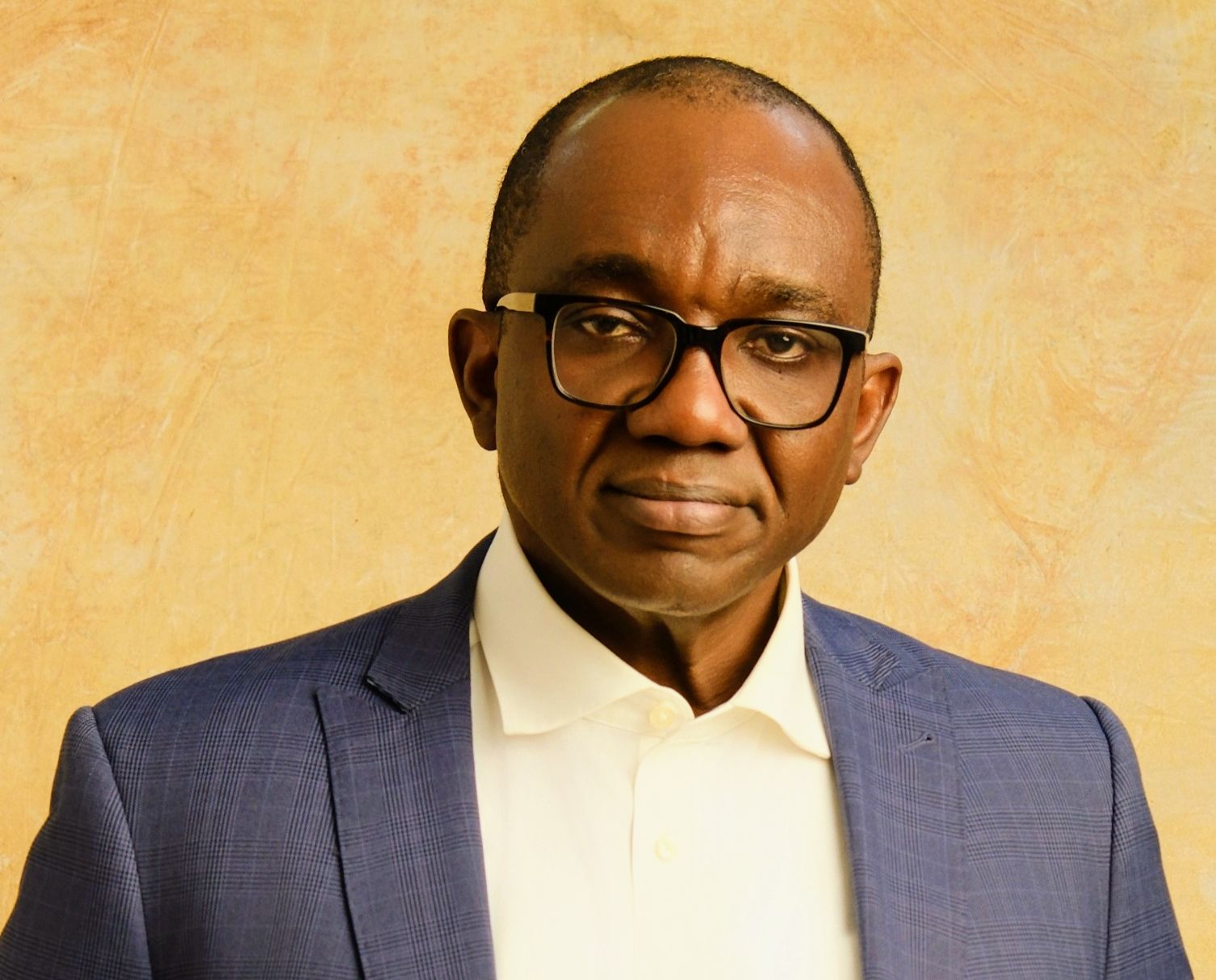
By Admin
Africa’s financial ecosystem is entering a new phase of transformation, one where collaboration, intelligent data use and artificial intelligence (AI) are expected to play a defining role in building resilient and inclusive financial systems.
This was the view of Winston Osuchukwu, Founder and Chief Executive Officer of Mathesis Analytics Inc., who identified connected ecosystems, data intelligence and intelligent decision-making as the three pillars that will shape the continent’s financial infrastructure in the years ahead.
According to Osuchukwu, Africa has witnessed remarkable growth in digital financial services over the past decade, driven by increasing financial inclusion, rapid adoption of mobile money and sustained investment in fintech innovation. However, he argued that the next wave of progress will depend less on individual technological breakthroughs and more on how effectively institutions work together.
“The future of financial infrastructure is no longer about isolated innovation,” he said. “It is about creating connected ecosystems that enable institutions to share data securely, generate actionable insights and make smarter decisions.”
He explained that banks, fintech companies, payment providers, telecommunications firms, regulators and other stakeholders each hold different pieces of customer and transaction data. Through interoperable payment systems, shared digital infrastructure and strategic partnerships, these organisations can create a more seamless financial ecosystem that benefits both businesses and consumers.
However, Osuchukwu warned that increased connectivity also generates massive volumes of data that can quickly become difficult to manage without the right analytical capabilities.
“Connectivity alone creates complexity if institutions cannot integrate and interpret the information effectively,” he noted.
He described data intelligence as the bridge between raw information and meaningful business value. By combining data from multiple sources, financial institutions can gain a unified understanding of customer behaviour, operational efficiency and emerging risks.
Such capabilities, he said, improve regulatory compliance, strengthen risk management and enable organisations to design products that better meet customer needs.
Beyond understanding data, Osuchukwu stressed the importance of converting insights into action through artificial intelligence, predictive analytics and machine learning.
These technologies, he explained, help financial institutions make faster and more consistent decisions in areas such as credit assessment, fraud detection, regulatory compliance, customer engagement and strategic planning.
Rather than replacing human expertise, intelligent systems enhance decision-making by helping organisations anticipate market changes, identify risks earlier and allocate resources more efficiently.
According to him, Africa’s financial future will be built on the integration of these three capabilities rather than on technology alone.
“Connected ecosystems generate the information. Data intelligence transforms that information into meaningful insights, while intelligent decision-making converts those insights into actions that deliver measurable outcomes,” he said.
Osuchukwu added that this integrated approach would strengthen financial inclusion, improve operational efficiency and create a more resilient financial ecosystem capable of supporting long-term economic growth across the continent.
Mathesis Analytics, he noted, is focused on helping financial institutions unlock value from complex and fragmented data, enabling them to make informed lending decisions and better serve individuals and businesses driving Africa’s economy.

 Chinenye Anuforo