
Pope Leo Calls for Tougher AI Regulation, Warns Technology Cannot Understand or Take Responsibility
 Digitnomics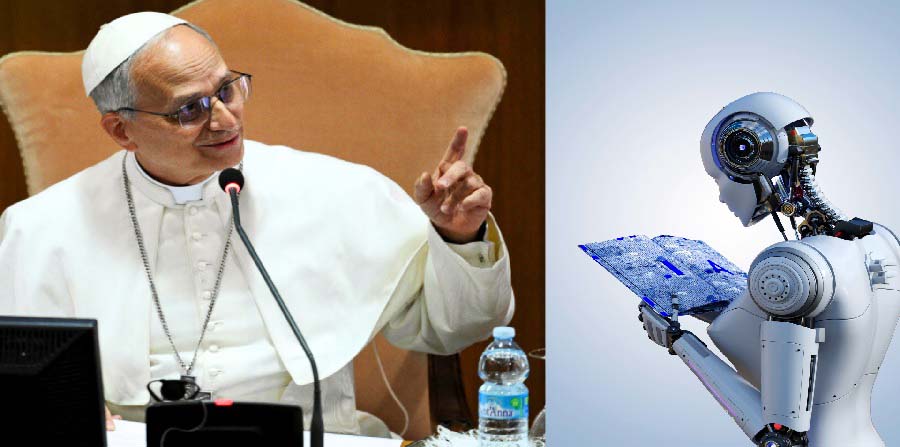
By Francisca Anuforo,
Pope Leo XIV has called for stronger global regulation of artificial intelligence, warning that while AI systems may imitate human intelligence, they neither understand what they create nor bear responsibility for the consequences of their outputs.
The Pope made the remarks through the official papal X account, @Pontifex, following the release of Magnifica Humanitas (“Magnificent Humanity”), his first major papal document dedicated entirely to artificial intelligence.
The 42,000-word encyclical, signed on May 15, 2026, marks the most significant document of Pope Leo’s one-year papacy and reflects growing global debate over AI governance, accountability and the concentration of technological power.
“Artificial intelligence does not understand what it produces,” Pope Leo wrote.
“They may imitate or even simulate, but they do not understand what they produce.”
According to the Pope, AI systems possess neither consciousness nor moral agency.
“They have no body, feel no pain, and cannot love or be held responsible,” he added.
The encyclical argues that the rapid growth of artificial intelligence presents ethical and societal risks that require stronger oversight, particularly as AI tools become increasingly embedded in healthcare, education, communications and decision-making systems.
Pope Leo warned against excessive concentration of technological influence in the hands of a small number of companies and called for independent oversight mechanisms and stronger regulatory safeguards.
The concern, he suggested, lies not only in what AI can do, but in the absence of accountability when systems fail.
Unlike human professionals who face legal, professional and moral consequences for errors, AI systems operate without awareness or personal responsibility.
The Pope’s comments have triggered widespread reactions online, reflecting broader divisions surrounding artificial intelligence.
While some social media users supported the call for tighter regulation, others questioned the concerns or debated whether AI could eventually evolve beyond current limitations.
The debate comes as AI adoption accelerates globally, including within religious and community settings.
In Nigeria, developers are already deploying AI-powered tools to address practical needs within faith communities.
One example is Pewbeam AI, developed by Nigerian engineer Dára Sobaloju. The platform listens to live sermons and automatically projects corresponding Bible verses during services, reportedly serving churches across multiple continents.
Other locally developed solutions include sermon-based chatbots and religious knowledge assistants designed to improve accessibility and engagement.
These tools, however, remain task-oriented systems rather than independent reasoning platforms.
Pope Leo’s intervention adds a religious and ethical dimension to the global AI conversation, which has largely centred on commercial innovation, productivity and regulation.
As governments, regulators and technology companies continue to shape AI policy frameworks, the Pope’s position reinforces a growing argument that technological capability should be matched by stronger accountability, transparency and human oversight.

 Chinenye Anuforo