 Digitnomics
By Admin
The Chairman of the Association of Licensed Telecommunications Operators of Nigeria (ALTON), Gbenga Adebayo, has said that imposing fines on telecom operators is not enough to improve the quality of network services across the country.
Speaking at the Nigeria Information Technology Reporters’ Association (NITRA) Innovative and Scientific Conference in Lagos, Adebayo stressed that network quality is affected by several factors beyond the control of operators.
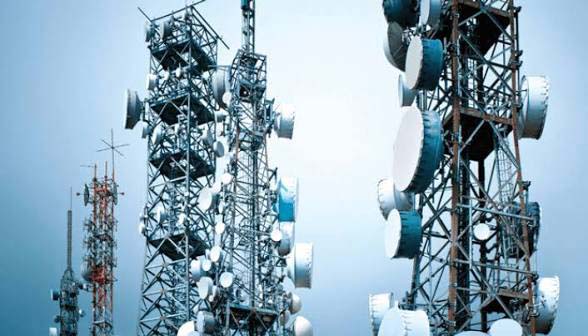
According to him, issues such as unreliable electricity supply, fibre cuts, vandalism of telecom infrastructure, Right-of-Way bottlenecks, insecurity and regulatory challenges all contribute to service disruptions experienced by subscribers.
“Quality of service cannot be improved simply through fines and penalties,” Adebayo said. “Operators remain accountable to consumers, but network performance depends on many factors outside their direct control.”
He called for stronger collaboration among government, regulators, telecom operators, infrastructure providers, security agencies, communities and consumers to build a more reliable telecommunications ecosystem.
Telecom has transformed Nigeria
Reflecting on the industry’s 25-year journey since GSM liberalisation in 2001, Adebayo described Nigeria’s telecommunications sector as one of Africa’s greatest digital transformation success stories.
He noted that active telephone subscriptions have grown from fewer than 400,000 before GSM to over 170 million today, fundamentally changing how Nigerians communicate, learn, work, bank and do business.
According to him, telecom infrastructure now serves as the backbone of banking, education, healthcare, e-commerce, entertainment, security and government services.
He added that operators have invested billions of dollars in broadband infrastructure, fibre networks, data centres, cloud services, renewable energy and emerging technologies such as 5G to drive digital inclusion and economic growth.
CNII recognition, NCC reforms praised
Adebayo commended the Federal Government for designating telecommunications infrastructure as Critical National Information Infrastructure (CNII), describing the move as a major step towards protecting assets that support Nigeria’s digital economy.
He also praised the Nigerian Communications Commission (NCC) for adopting what he described as a transparent and evidence-based regulatory approach.
Among the initiatives he highlighted were the review of the telecom tariff framework, the resolution of the long-standing USSD debt issue between operators and banks, and the implementation of the CNII framework.
On the ongoing review of Mobile Termination Rates (MTR), Adebayo clarified that the NCC has not taken any final decision.
According to him, the Commission is conducting a comprehensive study to ensure that any future decision reflects economic realities, promotes healthy competition, protects consumers and sustains investment in the telecommunications industry.
Challenges remain
Despite the sector’s achievements, Adebayo said operators continue to grapple with multiple taxation, inconsistent Right-of-Way policies, rising energy costs, affordability concerns, infrastructure vandalism and connectivity gaps.
He reaffirmed ALTON’s commitment to working with the Federal Government, the NCC, NITRA and other stakeholders to build a resilient, innovative and globally competitive telecommunications sector capable of accelerating Nigeria’s digital transformation.